







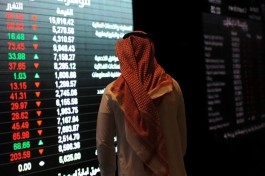

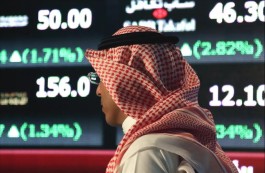
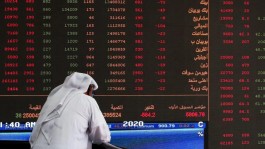













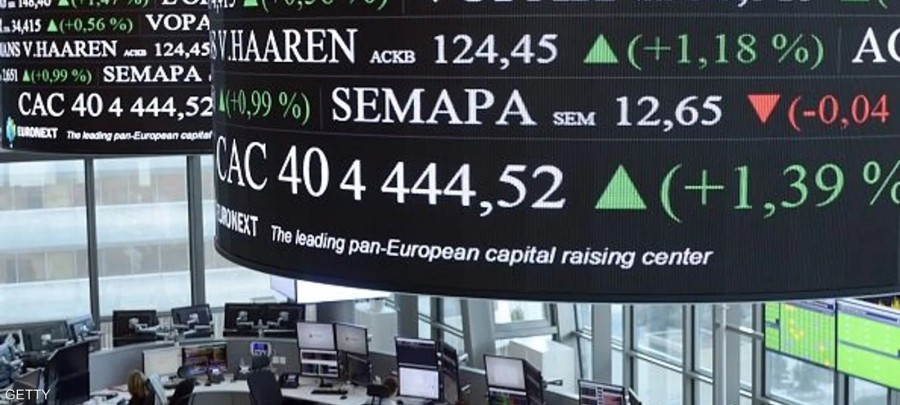


European shares rose on Wednesday morning, with the pan-European STOXX 600 index gaining 0.4%, nearing its highest level in two weeks, as a decline in crude oil prices – driven by the resumption of operations at the Saudi pipeline and progress in Middle East diplomatic efforts – eased concerns about corporate profit margins.
The German DAX and Italian FTSE MIB indices both rose by 0.4%, while the French CAC 40 and London's FTSE 100 indices each climbed by 0.5%.
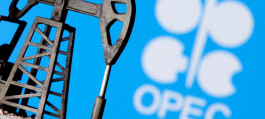
Resumption of Saudi supplies and UN efforts push oil below $100
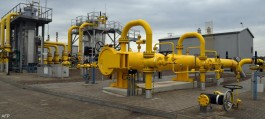
Energy markets provided key support for stocks after Reuters reported that Saudi Arabia had restarted its 1,200-kilometer East-West pipeline following recent drone attacks, with the potential resumption of crude oil shipments from the major Red Sea port of Yanbu.
Meanwhile, Brent crude futures fell below $100 a barrel, as US President Donald Trump indicated that a peace agreement with Iran was close, citing lengthy meetings between US and Iranian officials on the sidelines of the UN General Assembly meetings in New York.
While Iranian officials maintained their conditions—which include lifting US sanctions and ending the naval blockade before reopening the Strait of Hormuz—this diplomatic momentum helped to ease immediate pressure on energy-heavy European stocks. Iranian President Masoud Pezeshkian is scheduled to address the UN General Assembly later on Wednesday.
Xi Jinping visits Washington
In a context that boosts risk appetite, Chinese President Xi Jinping arrives in Washington later on Wednesday for high-level bilateral talks with President Trump, his first visit to the US capital in more than a decade. Investors are increasingly optimistic that the two countries will extend the tariff truce and explore avenues for cooperation on artificial intelligence.
Despite the daily rise, market participants are still closely monitoring natural gas prices, as low inventory levels could push energy sector inflation higher as winter approaches – a risk the European Central Bank has repeatedly pointed out.
European markets are expected to turn their attention later to the preliminary Eurozone Purchasing Managers’ Index (PMI) data for September, due to be released later today.
Traders are awaiting this data to assess whether activity in the private sector in Germany and France is holding up against recent increases in energy costs and tighter monetary policy, as any negative surprises could put pressure on stock valuations.