













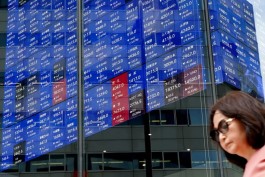












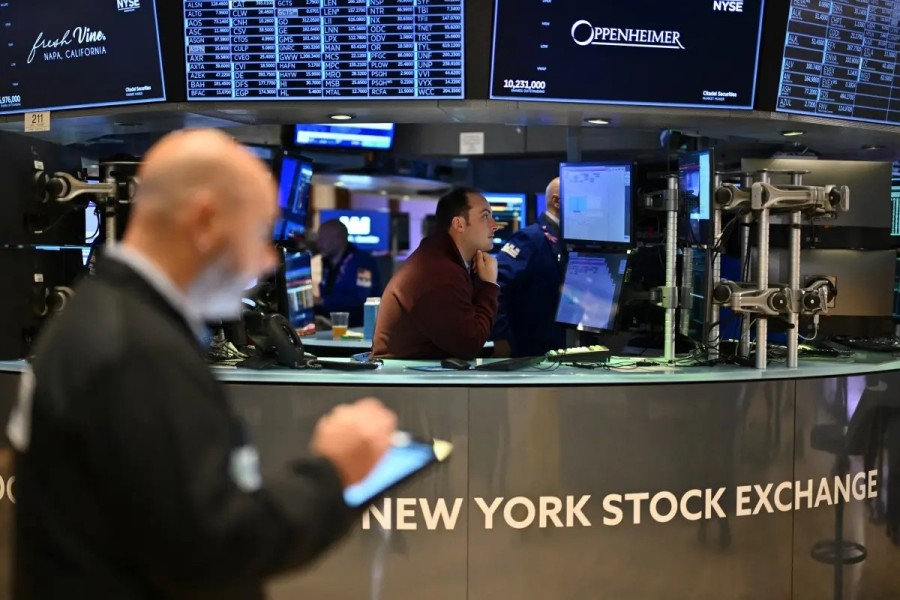


Stocks pared their gains and oil advanced after US strikes on sites in Iran dampened optimism about a possible deal to end the war.
S&P 500 futures rose 0.6%, although the gains were more modest than on Monday, when U.S. markets were closed.
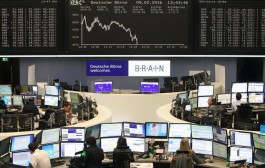
Asian stocks rose 0.5%, retreating from session highs, after US forces struck Iranian missile launch sites and boats attempting to lay mines, according to US Central Command. Washington described the attacks as defensive in nature. European stocks are also expected to decline.
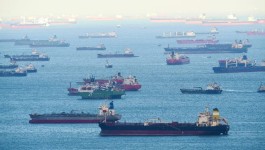
The rebound in oil prices dampened risk appetite after the strikes cast a shadow over prospects for a temporary agreement to reopen the vital Strait of Hormuz. Brent crude rose by about 2% to $98 a barrel, recovering from Monday's plunge of more than 7%, when trading volumes were thin due to holidays in London and New York.
The dollar rose against all its G10 counterparts, while gold erased earlier gains to fall 0.6% to around $4,545 an ounce. Treasury bonds climbed along the curve, a compensatory move as cash trading resumed after a pause.
Markets weigh the blows against hopes of a deal
Abbas Keshwani, head of Asia macro strategy at RBC Capital Markets in Singapore, said: “The market will be cautious, given how previous hopes for a deal have faded.” He added: “But progress in the talks could lead to further declines in energy prices and inflation expectations, and therefore yields.”
Traders remained cautiously optimistic, as markets continued to fluctuate amid ongoing uncertainty surrounding a potential Middle East peace agreement. Global stocks hit a record high on Monday, buoyed by expectations that the worst of the energy shock was over. Meanwhile, high oil prices and inflation concerns fueled speculation that the Federal Reserve might keep interest rates elevated for an extended period.
Earlier, US President Donald Trump said that negotiations with Iran on an interim agreement to extend the ceasefire and reopen the Strait of Hormuz were progressing well. Pakistani Army Chief Asim Munir, the main interlocutor between the warring parties, told China that an agreement was close to being reached.
Yugo Tsuboi, chief strategist at Daiwa Securities, believes that with the United States and Iran making progress toward an agreement, the attack is not seen as an attempt to reignite the war, and the overall scenario is unlikely to change toward an agreement.
US Secretary of State Marco Rubio said the ongoing negotiations with Iran would take several days. However, key points of contention remain unresolved, including the future of Iran's nuclear program. The Iranian news agency Tasnim reported that the draft agreement could collapse due to US objections to several provisions, including Tehran's demand for the release of frozen assets.
A retreat from the prevailing initial optimism
Garfield Reynolds of Bloomberg Markets Live noted that investors are retreating from the initial optimism that prevailed after the latest US shift toward peace over the weekend.
He added that momentum is fading as the timeline for reaching some kind of agreement with Iran has shifted to a few days, after President Trump's remarks on Saturday suggested that an agreement would be announced soon.
In other geopolitical news, Russian Foreign Minister Sergey Lavrov urged Rubio to evacuate American citizens and diplomats from Kyiv, in anticipation of what Moscow described as a possible escalation of strikes on the Ukrainian capital, according to a statement issued by the Russian Foreign Ministry on Monday.
Meanwhile, Hong Kong stocks fluctuated as they returned from the holiday. This came after Chinese investors scrambled to find alternative ways to buy and sell foreign shares, following Beijing's strongest crackdown yet on illegal cross-border stock trading, aimed at curbing capital outflows.