


















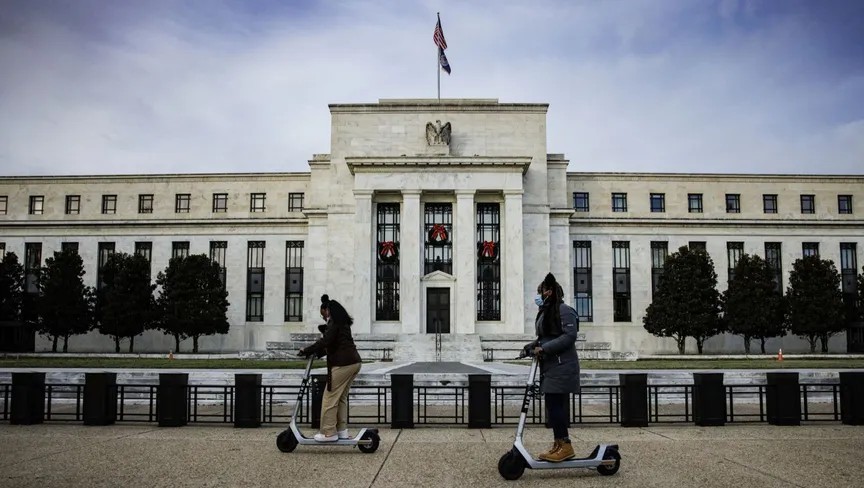


Investors in the bond markets have increased their bets that the US Federal Reserve will raise interest rates during its upcoming meeting in July, ahead of the release of anticipated US inflation data and the central bank chairman's testimony before Congress, two events that could strengthen the case for tightening monetary policy.
A significant rise in market expectations
These rising expectations are evident in the interest rate-linked derivatives markets, where the implied probability of a quarter-point rate hike this month has risen to around 50 percent, compared to less than 10 percent previously, according to Bloomberg News.
These bets were also reflected in the US government bond market, as the yield on two-year Treasury bonds settled above 4.25 percent on Tuesday, exceeding the official interest rate by a widening margin.
Bloomberg News quoted Ed Al-Husseini, portfolio manager at Columbia Threadneedle, as saying that the possibility of an interest rate hike in July is now very much on the table, adding that he believes it is more likely than not.
Waller's comments push expectations upward
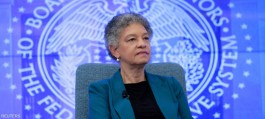
The latest wave of bets came after comments from Federal Reserve Governor Christopher Waller, who until recently was seen as one of the most dovish officials.
Waller said that raising interest rates in the near term should remain an option if inflation data shows a new high reading for core prices that exclude food and energy.
The U.S. Labor Department is scheduled to release its June Consumer Price Index data on Tuesday, with forecasts indicating the first decline in headline and core inflation rates since January.
Inflationary concerns despite positive forecasts
Despite expectations of slowing inflation, bond market participants are increasingly concerned that bringing prices back to the Federal Reserve's 2 percent target may require higher levels of interest rates.
Geopolitical developments have also contributed to these concerns, with oil prices continuing to rise amid tensions with Iran and the United States announcing it will continue its military operations.
All eyes are on Kevin Worsch's testimony
Meanwhile, markets are awaiting Federal Reserve Chairman Kevin Warsh's testimony before Congress on Tuesday and Wednesday, as part of the central bank's semi-annual report on monetary policy.
The reluctance of the Warsh administration to provide clear guidance on the future path of interest rates is seen as an additional factor increasing uncertainty in the markets.
Markets are pricing in further monetary tightening.
Short-term interest rates markets reflect expectations of a full-scale interest rate hike by the end of the year, along with a possible additional increase by mid-2027.
Al-Husseini believes that these expectations may not be sufficient, suggesting that the central bank will reverse the three cuts it implemented during the last months of last year in response to the slowdown in the labor market.
Increasing stakes in the futures market
Interest rate futures saw an intense influx of interest rate hike bets, contributing to a nearly 23 percent rise in open interest rates linked to the August federal funds rate during July.
It is estimated that the Consumer Price Index will show a monthly decrease of 0.1 percent, which will reduce the annual inflation rate to 3.8 percent from 4.2 percent, while core inflation is expected to rise by 0.2 percent on a monthly basis.
Inflation data may not be enough to calm bonds
Despite the possibility of weaker-than-expected inflation data, analysts believe this may not provide significant support for the bond market, following the rise in US Treasury yields in recent weeks.
Ian Lingen, head of US interest rate strategy at BMO Capital Markets, told Bloomberg News that investors still view the Federal Open Market Committee meeting on July 29 as the most likely date for the first interest rate hike under Warsh.
He added that markets may continue to price in a potential interest rate hike in July even if inflation data comes in lower than expected, noting that the Federal Reserve could surprise investors by tightening monetary policy if it sees that inflationary pressures remain high.