
























The European Union is considering temporarily freezing the price cap on Russian oil, as the ongoing conflict in the Middle East continues to push energy prices higher, according to a report published by Bloomberg on Sunday.
Last year, the European Union launched a dynamic mechanism that automatically adjusts the price ceiling every six months, so that it remains 15% below the average price of Russian Urals crude.
The current ceiling is $44.10 per barrel, and it is scheduled for review later this summer. Under this system, European companies are prohibited from providing services such as insurance and transportation for Russian oil sold above this limit.
Officials are concerned that the sharp rise in oil prices linked to the conflict with Iran and the ongoing unrest in the Strait of Hormuz could push the next ceiling level significantly higher.
According to the report, the July review could raise the ceiling to at least $65.00 per barrel, exceeding the previous $60.00 ceiling agreed upon by the G7 countries.
Among the options under discussion is keeping the ceiling unchanged at its current level, while other proposals include suspending automatic increases until the end of the year, or setting a maximum increase ceiling at $60.00 per barrel.
This proposal is expected to form part of the 21st European sanctions package against Russia since its invasion of Ukraine in 2022. EU officials are seeking to finalize the package and formally present it at the beginning of June.
Additional measures under discussion include imposing sanctions on more banks, oil traders, refineries, and cryptocurrency operators accused of helping Moscow circumvent existing restrictions.
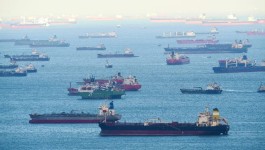
The package may also target around 20 additional vessels linked to Russia’s shadow fleet, as EU officials consider extending similar restrictions to include ships carrying liquefied natural gas.
The additional proposals also include imposing controls on exports of critical minerals, raw minerals, and technologies used in the Russian space and defense industries.
The European Union is also reviewing restrictions on companies in China, India, Turkey and Central Asia that allegedly supply Russia with goods subject to sanctions.
Any new sanctions package would require unanimous approval from all EU member states, as several countries remain hesitant about measures that could further destabilize energy markets amid ongoing volatility in the Middle East.