























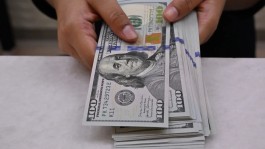









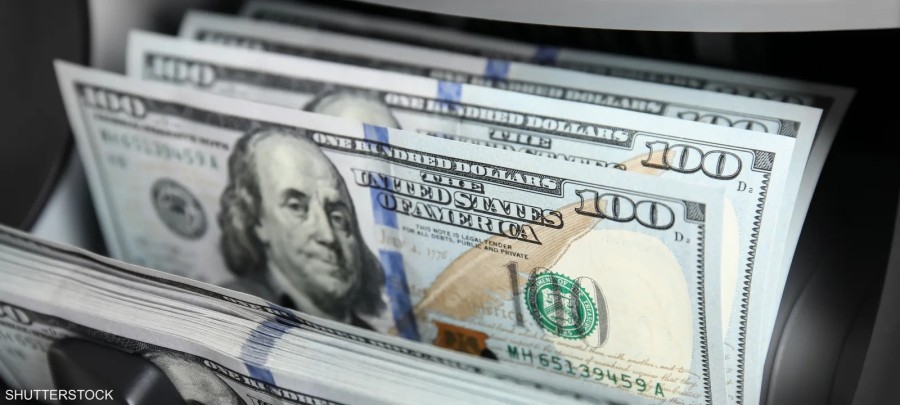


The US dollar is facing its biggest test of its position in the global economy in nearly half a century, since the currency's decline over several years during the stagflationary shock of the 1970s led central banks to increase the share of the German mark, the Swiss franc, and the Japanese yen in monetary reserves.
The dollar regained its strength by the middle of the following decade, and talk of any threat to the dominance of the greenback ended at that time, according to a study by the Bank for International Settlements in 1986.
But this time the test appears more difficult amid a double threat that is undermining the confidence of investors and global currency reserve managers in the greenback.
The first threat is the soaring US public debt to record levels, coupled with a steady increase in the budget and current account deficits. The second threat lies in geopolitical factors, specifically the foreign policy of President Donald Trump's administration, which is prompting a growing number of countries to try to circumvent the dollar-dominated global payments system or to hedge against it by restructuring their official reserves to be more diversified.
A precedent in reserves
A recent survey by the Official Monetary and Financial Institutions Forum (OMF) has revealed a notable shift in the outlook of global reserve managers on the dollar, with a growing number of central banks planning to reduce their long-term exposure to the US currency over the next decade, compared to those intending to increase it – a first since the survey began tracking this trend in 2023.
The survey, which included 90 central banks, public pension funds and sovereign wealth funds that collectively manage assets of nearly $10 trillion, indicates that official investors are now treating geopolitical and financial volatility as a permanent feature rather than a passing shock.
The result is a desire to diversify reserves at the expense of the dollar, with the central banks surveyed expecting the dollar to account for an average of 52% of their reserves over ten years, compared to 23% for the euro and 5% for the Chinese yuan. The report identifies gold as the primary beneficiary of these changes.
The dollar dominates
These results can be viewed from two different angles. The first is that the dollar will remain the dominant currency in more than half of the world's central bank reserves. It also plays a pivotal role in the payments system and does not appear to be under any real threat, according to Paul Krugman, the American economist and Nobel laureate, citing data from the Bank for International Settlements showing last year that the dollar was involved in 89% of foreign exchange market transactions worldwide.