














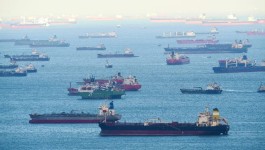







Gold held onto its gains after US President Donald Trump said the Strait of Hormuz could be reopened on Friday, which is likely to ease the shock caused by energy and inflation in global markets.
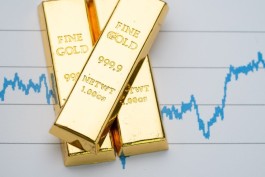
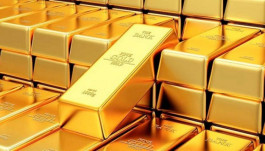
Gold prices approached $4,315 an ounce, after rising 2.2% in the previous session following the announcement by the United States and Iran of a tentative agreement to end the war and lift the naval blockade imposed on the region. However, US allies expressed caution regarding the speed at which energy and other commodity flows could resume through this strategic waterway.
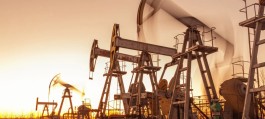
Oil prices remained lower, with West Texas Intermediate crude trading near $81 a barrel after falling nearly 5% on Monday. Brent crude closed at around $83.
Gold is down 18% since the start of the war
The price of gold has fallen by about 18% since the US and Israel launched strikes on Iran in late February. Gold has largely moved inversely to crude oil during the war, as higher energy prices have fueled inflation and prompted central banks to keep interest rates high for longer, reducing the appeal of precious metals.
Nikki Shiles, head of research and metals strategy at MKS PAMP, a trading and refining company, said: “Gold and silver are still undervalued compared to their reactions during previous Middle East conflicts.” She added that if the peace agreement holds, traders are expected to ease their selling pressure and return to viewing gold as a safe haven and an alternative to US assets, including the dollar.
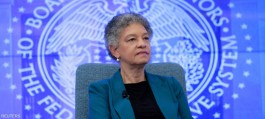
Precious metals traders are awaiting a series of central bank decisions this week, with the Federal Reserve meeting under chairman Kevin Warsh for the first time. Market expectations point to an interest rate hike later this year.
Spot gold rose 0.1% to $4,316.51 an ounce by 8:00 AM Singapore time. Silver dipped slightly by 0.1% to $69.87, after surging 2.9% in the previous session. Platinum, palladium, and the Bloomberg Dollar Index, a measure of the US dollar's value, all saw slight declines.