

















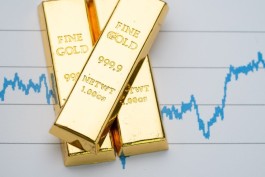





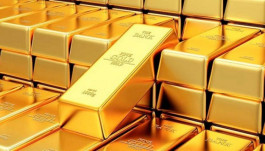


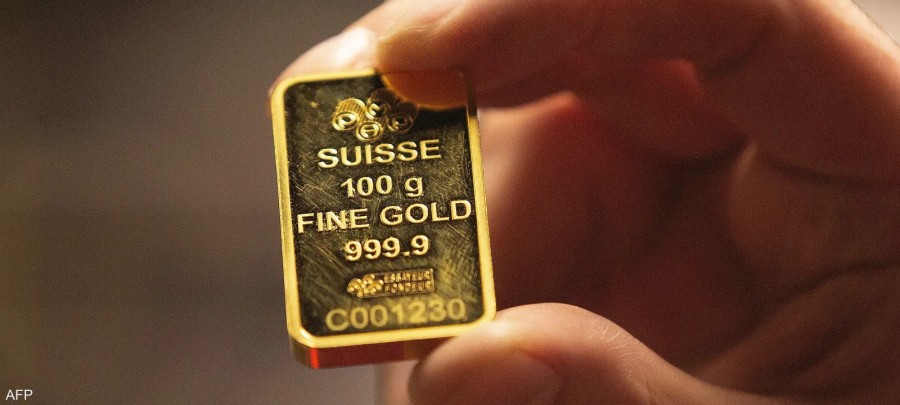


Gold prices fell by more than 1% during trading on Tuesday, heading towards their biggest monthly loss since the global financial crisis in October 2008, as geopolitical concerns in the Middle East subsided and investors shifted their focus to expectations of a US interest rate hike to combat high inflation.
The pressures are not limited to monthly performance, as gold is also heading for its first quarterly loss since 2024, and its biggest quarterly decline since the quarter ending in June 2013, after the Iranian war led to a sharp rise in energy prices, which fueled inflationary pressures and reinforced expectations of a tightening of US monetary policy.
Inflation and interest rates outweigh factors supporting gold.
Edward Meir, an analyst at Marex, said that the convergence of three factors – high inflation, rising expectations of interest rate hikes, and a strong US dollar – has overshadowed all the positive factors that usually support higher gold prices.
He explained that the yellow metal, although traditionally considered a means of hedging against inflation, loses much of its appeal when interest rates rise, because it does not generate a return for its holders compared to interest-bearing assets.
Market expectations currently indicate that the Federal Reserve may raise interest rates three times this year, while markets are pricing in a probability of around 64% for a rate hike at the upcoming September meeting.
Meanwhile, investors are awaiting the release of US employment data this week, most notably the ADP private sector jobs report and the non-farm payrolls report, looking for additional indicators that will determine the future course of US monetary policy.
A strong dollar increases pressure on the precious metal.
The US dollar continued its gains, heading for its second consecutive monthly rise, which increased pressure on gold, as the rise in the US currency increases the cost of buying the precious metal for investors who hold other currencies.
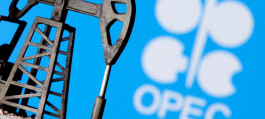
In contrast, oil prices are heading for their biggest quarterly loss since 2020, as investors await the outcome of anticipated talks between the United States and Iran in the Qatari capital, Doha, despite Tehran's announcement that no official date has yet been set for these talks.
Christopher Wong, precious metals strategist at OCBC, believes that gold needs one of three key factors to improve in order to regain its upward momentum: lower real bond yields, a weaker US dollar, or receding expectations of monetary tightening by the Federal Reserve.
He added that the absence of these factors means that any rises in gold prices could face new waves of selling, suggesting that the precious metal will spend more time moving sideways below its previous peaks.
Gold today
The price of gold in spot trading fell by 1% to $3,975.04 an ounce by 7:20 AM Riyadh time, bringing its total losses during June to 12.4%, putting it on track to record its fourth consecutive monthly loss.
US gold futures for August delivery also fell by 1.2% to $3,988.60 an ounce.
Other precious metals are suffering collective losses.
The pressure wasn't limited to gold alone, as spot silver prices fell 1.6% to $57.35 an ounce.
Platinum also fell by 0.5% to $1,566.90 an ounce, while palladium rose by 0.5% to $1,219.55 an ounce.
Despite palladium's rise during today's trading, all three metals are heading towards recording losses on a monthly and quarterly basis, amid the continued strength of the dollar and rising bets on tightening US monetary policy.