














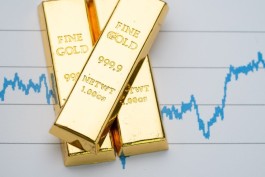






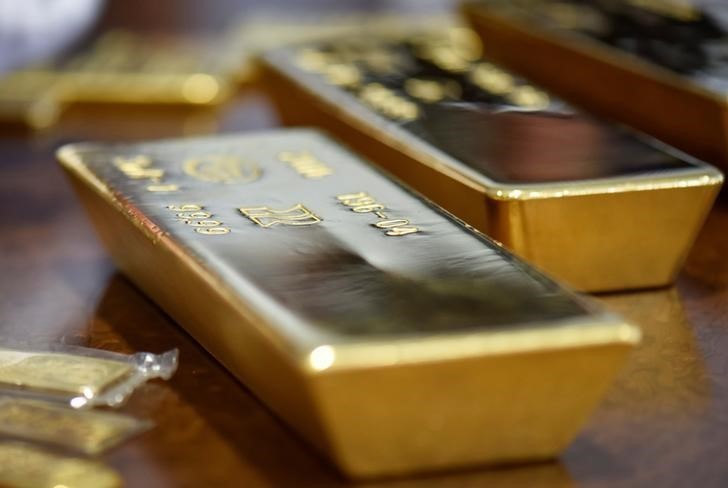


Gold fell for a second day, pressured by a strong US dollar and a tech-led sell-off in stocks, prompting investors to reduce their holdings of the precious metal and cover losses elsewhere.
Spot gold fell as much as 1.2% to below $4,070 an ounce, after losing 1.7% in the previous session to hit its lowest close in two weeks. Treasury yields rose on Tuesday, and a dollar index measure has climbed 0.6% so far this week, making the precious metal, which is priced in the US currency, more expensive.
Christopher Wong, a strategist at Overseas-Chinese Banking Corp, said that the price of gold is increasingly re-correlated with real returns.
Although gold is known as a safe-haven investment, it often falls during large, cross-market sell-offs because it acts as a source of liquidity. Tuesday's decline on Wall Street was driven by concerns that the AI-fueled stock market rally had become overextended, although Asian stocks later staged a cautious recovery.
Gold under pressure from risk aversion
The risk-averse mood has increased pressure on gold, which is already weighed down by persistent inflation concerns and the growing likelihood that central banks will keep interest rates unchanged or raise them. Higher borrowing costs are a headwind for non-yielding precious metals.
The hawkish tone adopted by the new Federal Reserve Chairman Kevin Warsh also rattled investors and dispelled the positive impact of the interim peace agreement between the United States and Iran signed last week.
Wong said: “I tend to think we’re nearing the peak of the tightening, but that doesn’t mean we can’t stay around these levels.” He added: “For the tight repricing to continue, incoming US data may need an additional bullish surprise.” The next key inflation indicator due on Thursday is the US personal consumption expenditures price index, which is expected to show an acceleration.
Spot gold fell 0.6% to $4,091.24 an ounce at 10:00 AM Singapore time. Silver edged up 0.2% to $61.71. Platinum also declined, while palladium was little changed. The Bloomberg Dollar Index was flat after rising 0.4% in the previous session.