


















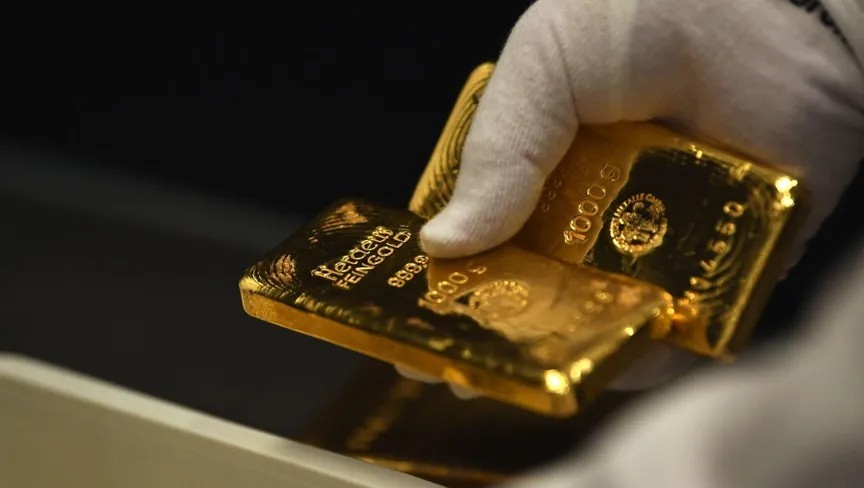


Gold prices fell as inflation fears grew, overshadowing the optimism that prevailed at the start of negotiations to end the war between the United States and Iran.
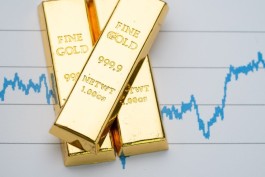
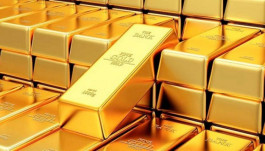
The price of the precious metal fell by as much as 1.2% to below $4,140 an ounce, reversing slight gains from the previous session. Rising consumer prices, driven by the nearly four-month-long conflict in the Middle East, have increased the likelihood of central banks raising borrowing costs, which weighs on non-yielding precious metals.
Austin Goolsbee, president of the Federal Reserve Bank of Chicago, said on Monday that he was concerned about inflation and questioned whether all the factors driving prices up were temporary. In an interview with American Public Media's Marketplace radio program, he said, We were dealing with an inflation problem that was much above target, and it was going in the wrong direction.
Furthermore, the hawkish tone adopted by the new Federal Reserve Chairman, Kevin Warsh, rattled investors and negated the positive impact of the interim peace agreement signed last week between the United States and Iran. The dollar has risen by more than 1% since the central bank's last meeting, putting additional pressure on the precious metal, which is priced in US dollars.
Gold has fallen by about a fifth since the war began at the end of February, while silver has dropped by more than 30%. Traders will be watching the US personal consumption expenditures price index due on Thursday, which is expected to show an acceleration.
Gold between inflation and Iran talks
Ahmad Assiri, an analyst at Pepperstone Group Ltd, said: “I am inclined to expect gold to remain in the $4,000 to $4,300 range until more data comes in to either reshape the outlook for monetary policy or confirm the hawkish bias.”
Early signs of progress in peace negotiations on Monday provided some support for the precious metal, when U.S. Vice President J.D. Vance said weekend talks with Iran were very good, and Iranian officials also indicated progress, although many obstacles remain, as both sides seek to implement a memorandum of understanding signed last week.
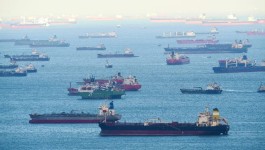
Among other things, a hotline was established between Tehran and Washington to ensure the safe passage of ships through the Strait of Hormuz. The United States also issued a 60-day license allowing Iran to sell some oil on the international market. Crude oil prices rose slightly on Tuesday after a decline.
“The gold and silver markets remain subject to external factors and are still hesitant to move in either direction,” wrote Rona O’Connell, head of market analysis for Europe, the Middle East, Africa, and Asia at StoneX Group Inc., in a note. “Technical positions are not favorable for either metal, although some flows are improving.”
Spot gold fell 1.2% to $4,140.95 an ounce at 11:10 a.m. in Singapore. Silver dropped 2.8% to $63.25 an ounce. Platinum and palladium also declined, while the Bloomberg Dollar Index edged higher.