










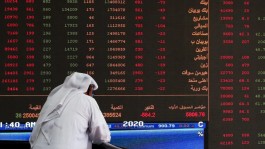




















Oil prices fell amid signs that Iran would attend talks with the United States in Islamabad, before the ceasefire between the two sides expires.
Brent crude fell as much as 1.1% to $94.44 a barrel after rising 5.6% on Monday.
Iran is sending a team to the Pakistani capital, according to people familiar with the plans who asked not to be identified, though it is unclear who will lead the delegation. Tehran has previously said it is reluctant to participate in further peace talks with the United States.
In a telephone interview on Monday, Donald Trump said that Vice President J.D. Vance would depart later that day to resume negotiations either Tuesday evening or Wednesday morning. The US president added that it was highly unlikely he would extend the ceasefire, which expires Wednesday evening Washington time.
Sharp fluctuations as the course of negotiations is awaited
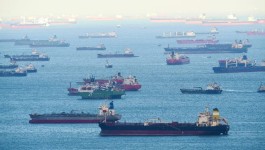
Oil prices have fluctuated in recent days amid rapidly changing perceptions about the course of negotiations and whether ships will be able to sail through the Strait of Hormuz, the waterway through which about one-fifth of the world's crude oil usually passes.
The tension over Hormuz threatens to exacerbate the global energy crisis, and it is just one of the outstanding issues between Iran and the United States, which also include Iran’s nuclear capabilities and Israel’s invasion of Lebanon.
We're either heading towards some form of de-escalation, or it could extend into a longer-term disruption, especially with regard to energy supplies, said Dylan Wu, research strategist at Pepperstone Group.
He added: The market will be extremely sensitive to any developments in the news over the next 24 hours.
Hormuz is paralyzed and warnings of a prolonged shock are being issued.
Monday's session saw conflicting statements from Trump regarding the timing and feasibility of peace talks. Oil prices continued their gains after he said the United States would maintain its blockade of the Strait of Hormuz to ships linked to Iran until an agreement is reached.
Meanwhile, flows through the Strait of Hormuz remain almost completely halted. The crisis reignited over the weekend after the US Navy seized an Iranian vessel, while Iranian forces fired on ships and reasserted control of the strait.
On Monday, Chinese President Xi Jinping called for an immediate ceasefire and the restoration of normal transit through the waterway, according to a statement from the Foreign Ministry regarding a phone call with Saudi Crown Prince Mohammed bin Salman.
Oil prices could rise to $110 a barrel if shipping disruptions in the waterway continue for another month, according to Citigroup. Global energy markets could experience up to two years of volatility due to the war, according to International Energy Agency Executive Director Fatih Birol.