



































Oil prices fell after unofficial estimates showed an unexpected rise in US crude inventories, as investors assessed supply risks after Saudi Arabia preemptively shut down the East-West pipeline to the Red Sea following attacks.
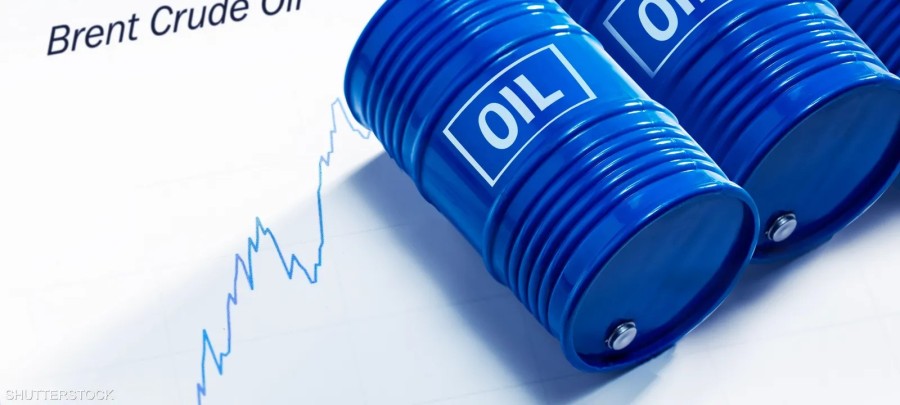
Brent crude futures fell 0.86% to $107.82 a barrel, while West Texas Intermediate (WTI) crude futures dropped 0.92% to $104.86 a barrel. Both benchmark crudes had closed more than $3 higher on Tuesday, reaching their highest levels since May 19, as the East-West trade suspension heightened supply concerns.
Reuters quoted market sources, citing data from the industry-funded American Petroleum Institute, as saying that U.S. crude oil, gasoline and distillate inventories rose last week.
Sources said crude oil inventories rose by 7.1 million barrels in the week ending September 11, compared with analysts' expectations in a Reuters poll of a decline of about 1.6 million barrels.
Markets will be watching inventory data released by the U.S. Energy Information Administration to confirm these increases.
Washington expects the pipeline to return soon
Saudi Arabia used this pipeline to divert about four million barrels per day, or about 4% of global supplies, to the port on the Red Sea.
The US energy secretary said that the flow of crude oil through the vital pipeline linking eastern and western Saudi Arabia is expected to resume within days.
Citigroup joined the minister, predicting in a note dated September 15 that operations would resume soon, explaining that stockpiles at export terminals on the kingdom’s west coast would provide a reserve to help exports continue in the near term.
Higher rates of oil loadings eastward
In a related context, TankerTrackers, which specializes in tracking the movement of oil tankers, reported that Saudi Arabia loaded approximately 8.7 million barrels of crude oil on Monday from export terminals on the Kingdom’s east coast.
She added in a post on the X platform that Saudi crude exports from the east coast have risen sharply over the past two weeks, coinciding with the unrest in the Red Sea.
On September 14, TankerTrackers indicated that Saudi Arabia was moving towards increasing its reliance on oil exports through the Strait of Hormuz, taking advantage of improved US protection of navigation in the Arabian Gulf, especially after the temporary suspension of work on the East-West pipeline.
She said at the time that Saudi Arabia’s total exports from the Arabian Gulf and the Red Sea jumped 77% during the two weeks preceding the attack on the pipeline, noting that the shift towards the eastern coast had begun weeks before it was targeted.
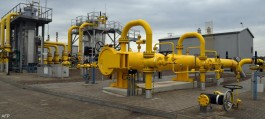
In Libya, the National Oil Corporation said that operations at three oil fields were suspended after protesters from the Petroleum Facilities Guard closed a valve on the Hamada-Zawiya crude oil export pipeline.
However, the chairman of the corporation, Masoud Suleiman, told Reuters that Libya's oil production had not been greatly affected by the shutdowns and remained at around 1.4 million barrels per day.