
























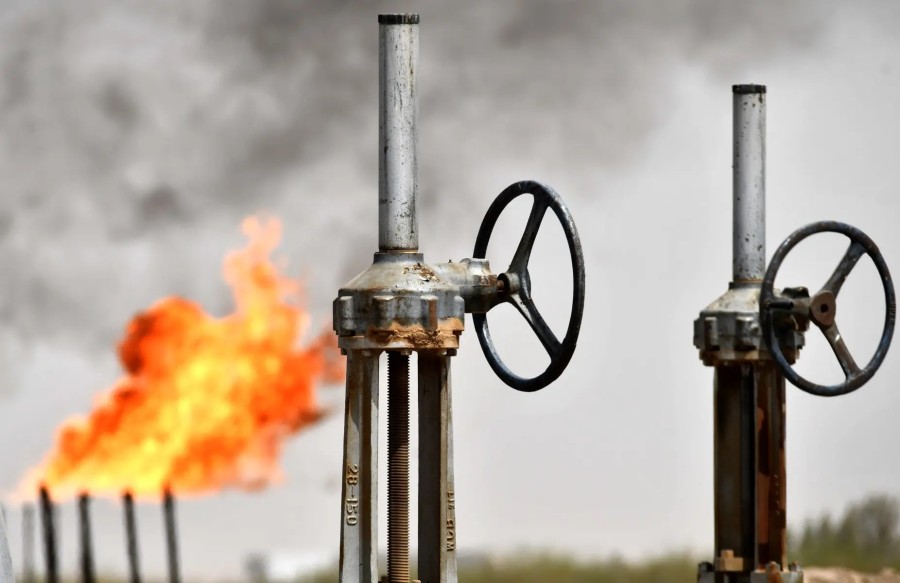


European natural gas prices fell on Tuesday after the Wall Street Journal reported that President Donald Trump told aides he was considering ending the war in Iran without significantly reopening the Strait of Hormuz.
The Dutch TTF forward contract, the European benchmark for natural gas, was down 2.3% to €53.73 per megawatt-hour.
Trump and his aides assessed that reopening the Strait of Hormuz would push the conflict beyond its four- to six-week timeline, The Wall Street Journal reported, citing administration officials. Trump decided the United States would end current hostilities with Iran after achieving its primary objectives of degrading Iran’s navy and missile stockpiles, the newspaper said.
Washington will then put diplomatic pressure on Tehran to reopen the strait, and if that fails, it will pressure its allies in Europe and the Gulf to take the lead in reopening the strait, the newspaper reported.
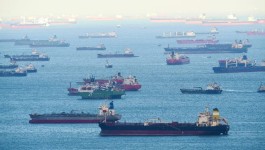
The Strait of Hormuz has become a major focus of the US-Israeli conflict with Iran, with Tehran effectively closing the waterway using mines and missile strikes. Approximately one-fifth of the world's oil flows through this narrow waterway off Iran's southern coast.
Last week, Trump set an April 6 deadline for Tehran to either reopen the Strait of Hormuz or face US attacks on key energy and water infrastructure. But Iran has largely rejected calls to reopen the strait and attacked tankers attempting to pass through it last month.
The shutdown triggered a sharp rise in global oil and gas prices last month, raising concerns about rising inflation in countries around the world and threatening to affect a range of industries.
Europe, which became reliant on liquefied natural gas (LNG) imports from the Arabian Gulf after Russia's 2022 invasion of Ukraine, was caught in the crossfire. Over the past month, Dutch TTF natural gas futures have surged by more than 68%.
Data released Tuesday by Eurostat showed that inflation in the eurozone accelerated to 2.5% in March, below economists' forecasts but above the European Central Bank's medium-term target of 2%, largely due to the energy shock. In February, a period largely excluding the US-Israeli joint attack on Iran that has now lasted more than a month, consumer prices in the eurozone rose by 1.9%.