

































Central banks in most G7 countries face a pivotal week, with rising inflation risks increasing pressure on them to raise interest rates.
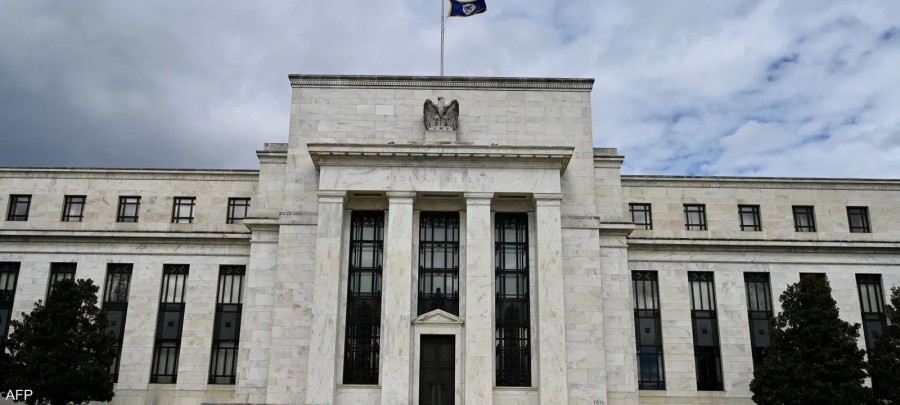
Three anticipated interest rate decisions could reshape the global monetary policy landscape for the remainder of 2026 and beyond, starting with the Federal Reserve's expected decision on Wednesday, followed by those of its counterparts in the United Kingdom and Japan over the next two days.
US inflation puts Warsh in the spotlight
Attention will now be even more focused on the United States after core inflation data released on Friday exceeded expectations. The data fueled investor bets that Federal Reserve Chairman Kevin Warsh and his colleagues will raise the benchmark interest rate, likely defying President Donald Trump's wishes.
Bank of England is nearing a shift towards raising interest rates.
The Bank of England is not expected to raise interest rates on Thursday, but with three officials endorsing such a move at a meeting in late July and price risks persisting, a shift towards a rate hike as early as November cannot be ruled out.
In contrast, expectations are widely that the Bank of Japan will raise its key interest rate at the end of the week, following a series of data supporting the move, including the country's wages recording their biggest jump in nearly three decades.
Rising oil prices reignite inflation risks
With oil prices stabilizing again above $100 a barrel, and war in the Middle East seemingly reigniting, monetary policymakers' hopes for a respite in global price pressures appear weak at the moment.
After European Central Bank officials raised interest rates on Thursday, in the second such move since the conflict with Iran began, the week may pass with the outlines of an increasingly hawkish and synchronized monetary policy direction in the G7 countries becoming clearer.
The Bank of Canada, the other institution in the group, is also heading in the same direction. Minutes from its decision earlier this month, when officials kept interest rates unchanged but emphasized concerns about inflation, are due to be released on Wednesday.
Bloomberg Economics experts' opinion:
The immediate signal from the market is clear: investors want and expect the Federal Open Market Committee to raise interest rates. If it doesn't, Warsh will lose credibility in the eyes of market participants.
On another front, markets will also be watching Chinese industrial data, inflation figures from the UK and Canada to India and Japan, along with a possible interest rate cut in Brazil.