




























With inflationary pressures mounting in the United States, financial markets have begun to redraw their expectations for the course of US monetary policy, in a remarkable shift that could bring the scenario of monetary tightening back to the forefront.
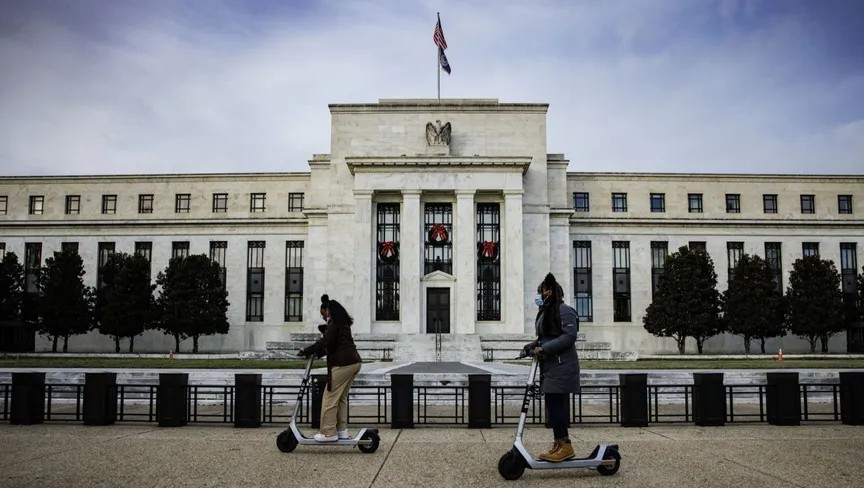
For the first time during the current cycle, markets are beginning to see that the next move by the US Federal Reserve may not be to cut interest rates, but to raise them again, after the latest inflation data came in higher than expected in a way that worried investors and traders in global markets.
According to pricing in US interest rate futures, the probability of an interest rate hike at the upcoming December meeting has risen to around 51%.
While it exceeds 60% at the beginning of 2027, and reaches more than 71% by March, this is a clear indication of growing market bets on price pressures continuing for a longer period than expected.
This shift came after a week packed with strong economic data, showing inflation accelerating at both the consumer and wholesale price levels.
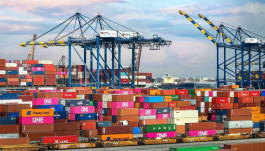
In addition, US import and export prices have risen to levels reminiscent of the severe inflation wave that hit the US economy in 2022, when the Federal Reserve was forced to implement a series of sharp and successive interest rate hikes of 75 basis points in several consecutive meetings.
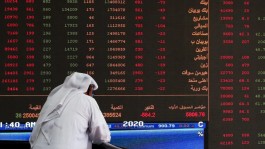
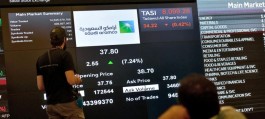
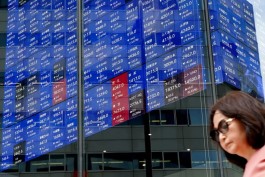
These expectations were quickly reflected in the movements of global markets, as US Treasury bond yields saw strong increases with growing bets that interest rates will remain high for a longer period, while the US dollar received additional support that pushed it higher against most major currencies.
In contrast, US stock markets have come under significant pressure, particularly technology stocks and companies that rely on low-cost financing, as investors fear that continued monetary tightening will slow the pace of economic growth and reduce corporate profits in the coming period.
As for gold, which is considered a safe haven in times of turmoil, it has entered a state of sharp fluctuation. While the yellow metal usually benefits from economic and geopolitical concerns, the rise of the dollar and bond yields reduces its investment appeal, putting it in a complex equation during the current stage.
Analysts believe the Federal Reserve is now facing one of its toughest tests in years, as it must balance curbing accelerating inflation on the one hand, and avoiding pushing the economy into a sharp recession on the other, especially with borrowing costs continuing to rise for American consumers and businesses.
There are also growing concerns that continued high inflation will erode the purchasing power of American households, especially with rising food, energy and rent prices, which could put pressure on consumer spending, the main driver of the American economy.
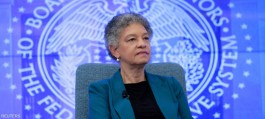
In a significant development, former Federal Reserve Governor Kevin Warsh has assumed leadership of the US central bank, amid widespread anticipation regarding his monetary policy direction in the coming period. Warsh had previously hinted at the possibility of lowering interest rates if economic conditions allowed, but accelerating inflation may push him to adopt a more hawkish stance to maintain price stability.
The views expressed by members of the Federal Open Market Committee also revealed a growing division within the Fed, after three members objected during the last meeting to the wording of the monetary statement, arguing that referring to an interest rate cut was no longer appropriate in light of the current surge in inflation.
If the Federal Reserve does indeed raise interest rates again, the repercussions of the decision could extend to the entire global economy, as emerging markets may be subjected to strong pressure as a result of capital flight towards the dollar, in addition to the rise in the cost of financing globally and the decline in investors' appetite for high-risk assets.
Investors are also closely monitoring developments in oil prices, as any new increases due to geopolitical tensions could further complicate the Fed's task by fueling a new wave of inflation that would push the central bank to maintain a tight monetary policy for a longer period.
In contrast, economists participating in the “Professional Expectations Survey” raised their estimates for the inflation rate during the second quarter to about 6%, a level much higher than previous estimates, reflecting growing concerns that the US economy is entering a more stubborn and persistent phase of inflation.
As the second half of the year approaches, markets appear to be facing a highly sensitive phase, where any data on inflation, jobs, or consumer spending is capable of drastically changing investor trends, at a time when interest rate expectations have become the most influential factor in the movement of global markets.