










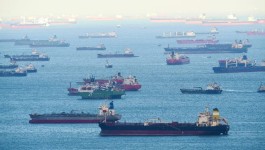

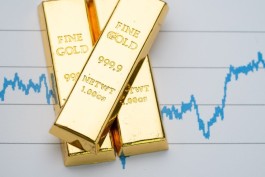




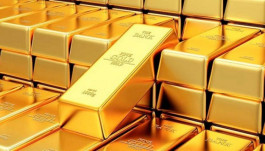
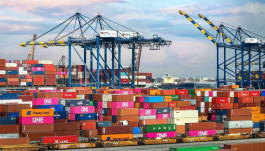

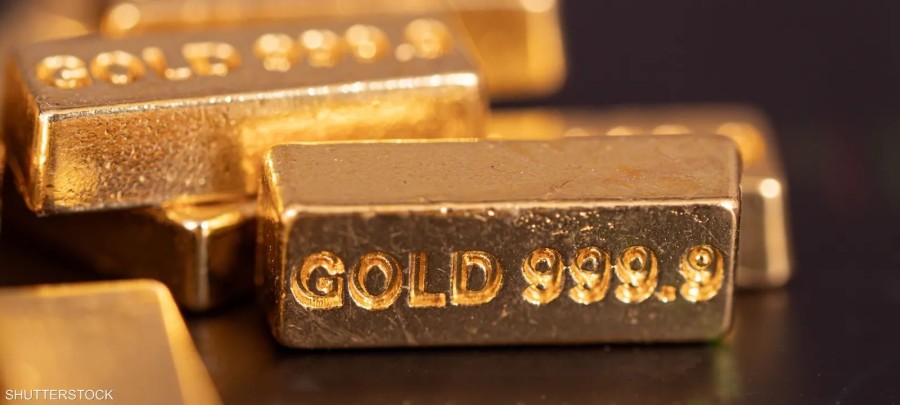


Gold fell for a second day after renewed attacks on shipping in the Strait of Hormuz, a reminder of the risks faced by vessels transporting oil and natural gas through the waterway.
The precious metal fell as much as 1.2% to below $4,120 an ounce, after declining 0.3% on Monday.
A tanker carrying liquefied natural gas was hit by a projectile near Oman, while Axios said Iran fired at least two missiles at commercial vessels transiting the strait.
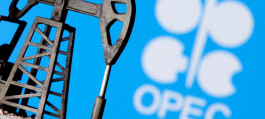
The price of oil rose, reigniting concerns about inflation which raised the likelihood of interest rate hikes, a negative factor for gold, which does not yield interest.
However, the metal is still trading in a relatively narrow range, as investors await fresh insights into the Federal Reserve's interest rate outlook when the US central bank releases the minutes from its June meeting later this week.
After bets on an interest rate hike rose due to the hawkish stance adopted by the new Federal Reserve Chairman Kevin Warsh, they fell after last week's jobs data came in below expectations.
“Overall, the market is taking a slightly more cautious view of the likelihood of a US interest rate hike,” wrote Rona O’Connell, head of market analysis for Europe, the Middle East, Africa, and Asia at StoneX Group Inc., in a note. “This has helped provide some support for real assets.”
Gold is caught between the risks of the Hormuz crisis and interest rate bets.
The precious metal has fallen by about a fifth compared to what it was just before the war in the Middle East, although it has just emerged from its first weekly gain since May, rebounding above $4,000 an ounce, after falling below a psychological support level, as well as below several key moving averages.
O'Connell said that light bargain hunting pushed gold back above its 10-day moving average, with technical indicators suggesting room for further gains. She added: The precious metal found some resistance at $4,180 and is finding technical support above $4,130.
Spot gold fell 0.8% to $4,130.61 an ounce at 2:50 p.m. Singapore time, while silver dropped 1.4% to $61.21 an ounce. Platinum and palladium also declined, while the Bloomberg Dollar Index, a measure of the U.S. currency, rose 0.1%.