






























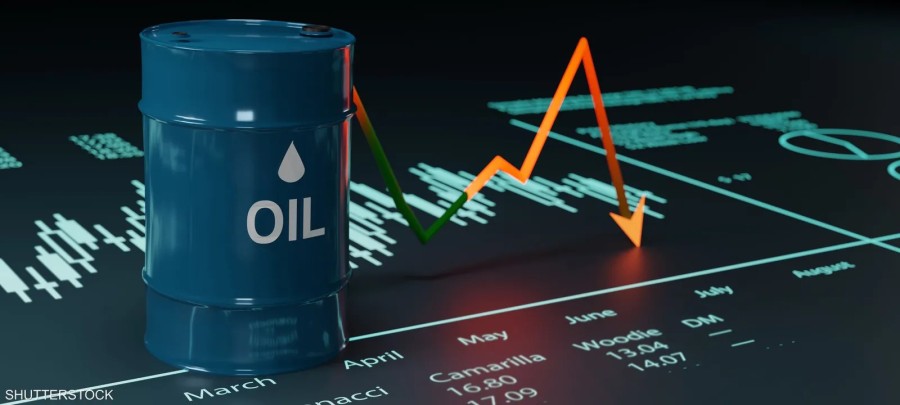


Oil prices rose as tensions in the Middle East, centered around Iran, escalated, overshadowing the impact of a US industry report that indicated a large jump in inventories.
Brent crude rose above $69 a barrel, after ending Tuesday's session slightly lower, while West Texas Intermediate crude traded near $64.
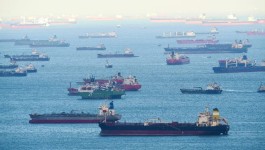
Traders assessed a series of reports, including one stating that the United States was considering seizing tankers carrying Iranian oil, and another indicating the possibility of sending an additional aircraft carrier group to the region if negotiations over Iran’s nuclear program failed.
A significant jump in US inventories
In the United States, the American Petroleum Institute reported that crude oil inventories rose by 13.4 million barrels last week. If official data confirms this increase, it would be the largest in terms of barrels since November 2023.
Oil has risen by more than 10% since the beginning of the year, supported by geopolitical tensions, including recent US efforts to reach an agreement on Iran’s nuclear program.
Although initial talks were described as positive, traders are concerned that failure to reach an agreement could lead to US strikes, potentially jeopardizing oil flows from the OPEC member state or provoking an Iranian response.
US President Donald Trump said that the leadership in Tehran wants to make a deal. I think they would be making a mistake if they didn't, he told Fox Business. Trump is scheduled to meet with Israeli Prime Minister Benjamin Netanyahu at the White House later Wednesday to discuss the developments.
Markets are temporarily ignoring inventories.
Kim Kwang-rae, a commodities analyst at Samsung Futures in Seoul, said Trump is putting pressure on Iran, emphasizing that if negotiations go wrong, he will have to take very strong action. He added that the market, meanwhile, seems unconcerned about inventory changes at this stage.
Ahead of the meeting with Trump, Netanyahu's office said that talks with Iran should be broader than just the nuclear issue, and should also include Tehran's long-range conventional weapons capabilities and its network of regional proxies. Last June, Israel, with US support, launched strikes against Iranian uranium enrichment facilities during a brief war.
Stay tuned for key reports
Haris Khurshid, chief investment officer at Carobar Capital, said Netanyahu's visit only adds news-related risks. He added: Unless it translates into concrete actions, oil typically retreats after its initial move.
Traders will await OPEC's monthly report on the global market outlook later in the session. This will be followed on Thursday by a report from the International Energy Agency, which has warned of a significant surplus expected this year as supply exceeds demand.