



























The euro rose in the European market on Wednesday against a basket of global currencies, extending its gains for the second consecutive day against the US dollar, due to a decline in safe-haven purchases of the US currency and an improvement in risk sentiment, amid growing hopes for a peace agreement between the United States and Iran.
With the likelihood of European interest rate hikes this year already high, traders are awaiting further economic data from the Eurozone to reassess the chances of the European Central Bank normalizing monetary policy in June.
Price overview
Euro exchange rate today: The euro rose against the dollar by about 0.4% to ($1.1736), from today’s opening price of ($1.1692), and recorded a low of ($1.1689).
The euro ended Tuesday's trading session up less than 0.1% against the dollar, its first gain in three days, as military tensions between the United States and Iran in the Strait of Hormuz eased.
US dollar
The dollar index fell 0.5% on Wednesday, on track for its first loss in four sessions, reflecting a decline in the US currency against a basket of major and minor currencies.
Risk appetite improved in global markets, with purchases of the US dollar as the best alternative investment slowing, due to growing hopes for a peace agreement between the United States and Iran.
In a notable development, US President Donald Trump announced that the United States and Iran had reached an agreement to suspend the movement of Freedom Project ships through the Strait of Hormuz, as long as the blockade continues in full, noting that this decision comes amid significant progress towards reaching a comprehensive agreement between the two sides.
Trump explained that the suspension came in response to a request from Pakistan and a number of other countries, stressing that it was a temporary measure aimed at allowing the opportunity to complete negotiations and sign the anticipated agreement.
In the same context, US Secretary of State Marco Rubio stated that Operation Epic Wrath had ended, and that the priority now was focused on reopening the Strait of Hormuz.
global oil prices
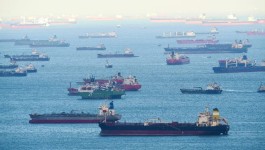
Global oil prices fell by more than 2.5% on Wednesday, extending losses for the second consecutive day and moving away from multi-week highs, as concerns about disruptions to energy supplies from the Arabian Gulf region eased and the likelihood of the Strait of Hormuz reopening to oil tankers increased.
There is no doubt that the decline in global oil prices reduces fears of accelerating inflation, which supports the global central banks keeping their monetary policy tools unchanged for a long period this year.
European interest rate
With global oil prices falling, the money market's pricing of the likelihood of the European Central Bank raising European interest rates by about 25 basis points next June has dropped from 55% to 45%.
In order to reprice the above probabilities, investors are awaiting further economic data from the Eurozone regarding inflation, unemployment, and wage levels.