



































Gold prices rose for the third consecutive session on Thursday, supported by a decline in the US dollar, as hopes for a deal between the United States and Iran boosted expectations of easing inflationary pressures and reduced likelihood of interest rates remaining high for an extended period.
The precious metal's gains coincided with a drop in oil prices and a continued relative easing of geopolitical tensions in the Middle East, after markets began increasingly betting on the imminent end of the war between Washington and Tehran.
Despite continued caution among traders due to the fragility of the current truce, improved risk appetite and declining US bond yields have provided a supportive environment for gold's movements in recent days.
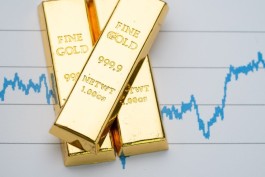
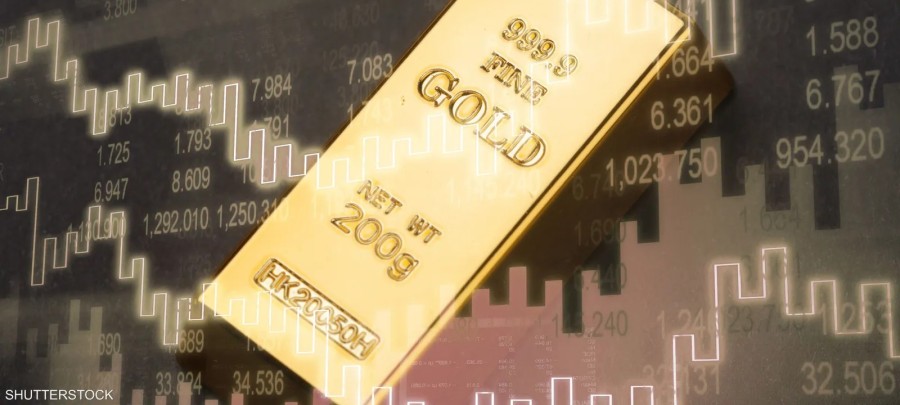
Gold rises, supported by a weaker dollar.
Gold rose 0.4% in spot trading to $4,707.52 an ounce, after jumping nearly 3% during Wednesday's session to its highest level since April 27.
US gold futures for June delivery also rose by 0.5% to $4,716 an ounce.
This positive performance comes as the US dollar continues to weaken, with the dollar stabilizing near its lowest levels in more than three months, making dollar-denominated gold less expensive for holders of other currencies.
Bets on the end of the war
US President Donald Trump predicted a swift end to the war with Iran, as Tehran continues to study an American peace proposal.
Informed sources said the proposal aims to formally end the war, but leaves some key issues unresolved, most notably the US demands regarding the suspension of Iran’s nuclear program and the reopening of the Strait of Hormuz.
Tim Waterer, chief market analyst at KCM Trade, said gold continues to rise, supported by a weaker dollar and falling oil prices, with the current truce holding, albeit fragilely, along with growing hopes for a long-term agreement between Washington and Tehran.
However, he noted that gold's gains remained relatively limited due to traders' continued concerns that the current truce could collapse at any moment.
Lower yields and oil prices are supporting the precious metal.
Yields on 10-year U.S. Treasury bonds have settled down about 0.6% since the start of the week, reducing the opportunity cost of holding non-yielding gold.
Brent crude prices have also fallen by about 6% this week, amid growing optimism that the war in the Middle East could end.
Analysts believe that the drop in oil prices has helped to calm inflation concerns, especially after the past few months, which saw a sharp rise in energy prices due to the war and the closure of the Strait of Hormuz.
Gold prices have fallen by more than 10% since the war broke out in late February, under pressure from rising oil prices and increased expectations that high interest rates will continue for a longer period.
Markets await the US jobs report
Investors are now awaiting the release of the monthly US jobs report on Friday to assess the strength of the US economy and its ability to withstand continued tight monetary policy by the Federal Reserve.
Labor market data is of great importance to the markets, as it may determine the direction of interest rates in the coming period, especially as the Federal Reserve continues to monitor developments in inflation and economic growth.
In other precious metals, spot silver rose 1% to $78.09 an ounce.
In contrast, platinum fell 0.1% to $2,059.60, while palladium rose 0.6% to $1,546.24 an ounce.