












European markets opened the week mixed, as investors continued to await developments in the Middle East and the possibility of renewed transatlantic trade tensions.
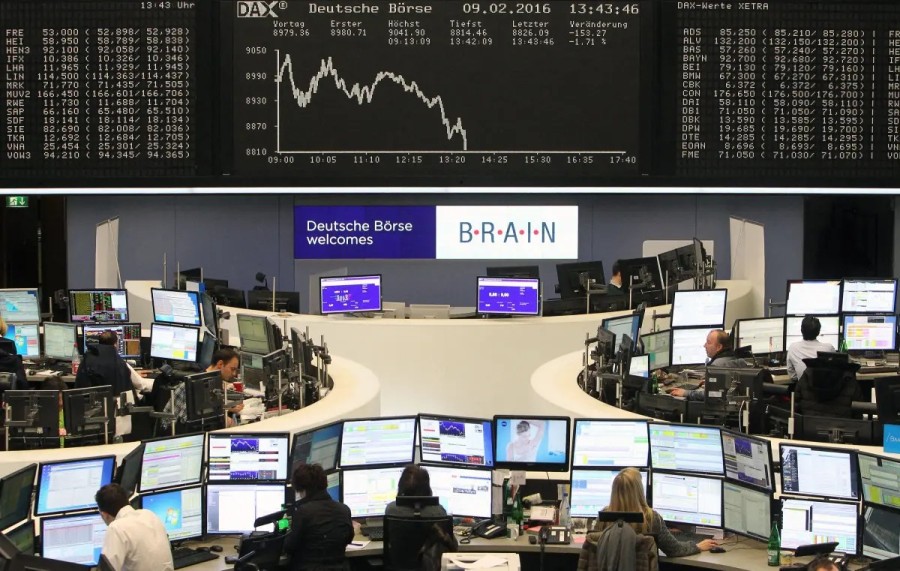
The pan-European STOXX 600 index closed at 611.69 points, while France's CAC 40 index slipped by about 0.3% to 8,088.07 points. Germany's DAX index rose 0.2% to 24,360.31 points.
Most sectors performed positively, led by the telecommunications sector, which rose by 1.2%. Nokia shares jumped 7% in early trading, bringing their year-to-date gains to over 100%, after Inseego announced its intention to acquire Nokia's fixed wireless communications unit.
In contrast, shares of European car companies fell by 1.6% after US President Donald Trump announced his intention to impose tariffs of 25% on cars and trucks imported from the European Union, while the European Commission confirmed that it is studying options for retaliation.
Shares of auto parts maker Continental fell 5.2%, the biggest drop on the index, while Mercedes-Benz shares fell 1.9% and Volkswagen shares declined 1.7%.
These tariff threats come despite a Supreme Court ruling in February that overturned large parts of Trump's previous tariff policies.
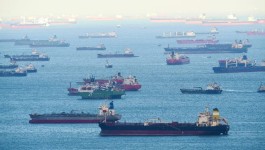
In a related context, Trump announced a new plan called Project Freedom aimed at freeing ships stuck in the Strait of Hormuz, by deploying about 15,000 troops, guided missile destroyers and 100 aircraft to secure the passage of commercial ships in the vital sea lane.
The UK Maritime Trade Operations (UKMTO) also reported that a ship was attacked by missiles north of Fujairah in the UAE early Monday morning.
In energy markets, oil prices fell in early trading, with Brent crude down 0.8% to $107.38 a barrel and West Texas Intermediate crude down 0.84% to $101.10 a barrel.