


































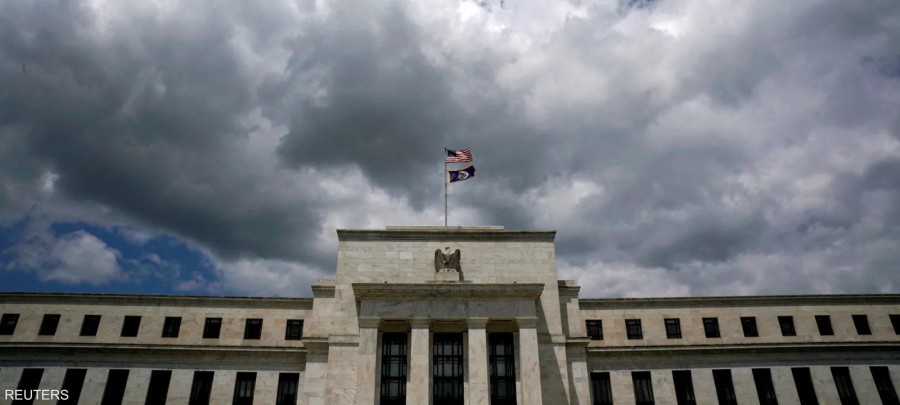


Federal Reserve policymaker Austan Goolsbee issued a stark warning to markets that continued strong demand could combine with energy shocks, tariffs, and supply chain disruptions to exacerbate inflation. Goolsbee emphasized firmly that there was no ambiguity about the steps the central bank would take if demand showed signs of overheating.
These remarks come in the wake of the Federal Reserve's decision to raise interest rates again, a move accompanied by a very hawkish stance from its chairman, Kevin Warsh. Warsh dismissed speculation of imminent monetary easing, stating in his press conference: The stark reality is that inflation remains too high, and has been too high for too long. The inflation readings recorded this summer give me no evidence that the underlying trends have improved substantially.
The supply dilemma and the conditions for interest rate cuts : In elaborating on his position, Goolsbee explained that supply shocks have proven to have a persistent and intractable impact on prices, a factor that cannot be ignored when charting the course of monetary policy. He pointed out that the US economy is currently facing an inflation problem, not an employment problem, emphasizing the need to see convincing evidence of a decline in supply-side inflation; without this, it is difficult to chart a credible path back to the 2% target.
Despite this cautious tone, Goolsbee maintained a dose of optimism, indicating that an interest rate cut remains a strong option; he stressed that he would not object at all to starting an interest rate cut cycle, provided that inflation indicators move clearly and steadily towards the 2% target.
Market Reactions: Gold and Energy. Amid these statements and geopolitical pressures, commodity markets experienced volatile movements. Gold demonstrated remarkable resilience, recovering from its early losses to rebound from its session low of $4,340.25 and settle higher at $4,353.10 per ounce.
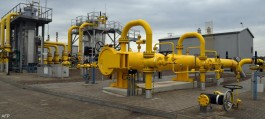
In energy markets, the supply crisis continues to dominate the overall landscape. Diesel prices in the United States have surged to nearly $6.51 per gallon, fueling concerns that these costs will be passed on to the transportation and manufacturing sectors. Meanwhile, crude oil prices rebounded, gaining 2.70%, with West Texas Intermediate (WTI) rising to $93.46 per barrel, while Brent crude, the international benchmark, broke back above the $100 mark.