




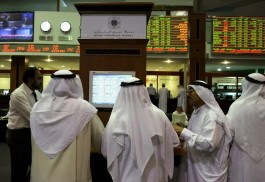

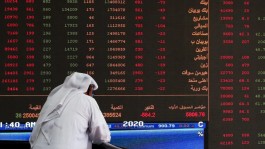
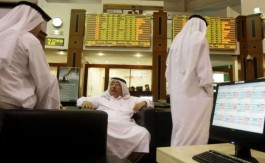

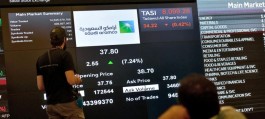

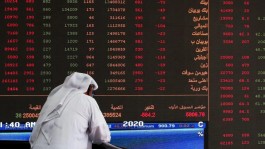












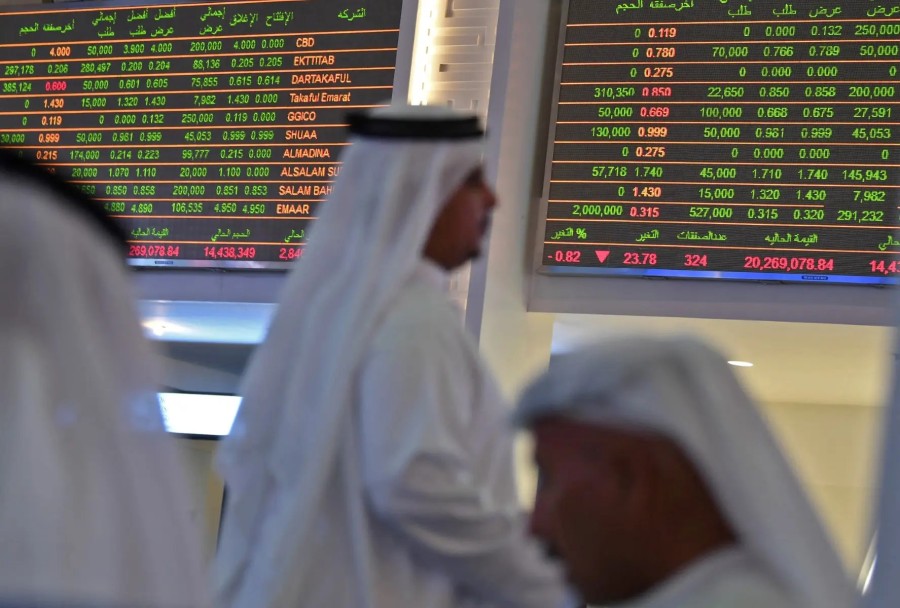


Stock markets in Saudi Arabia and Qatar saw notable declines during trading on Monday, while the UAE decided to suspend trading for two days, as the repercussions of the missile and drone strikes carried out by Iran in response to the recent military attacks escalated, in an early indication of the widening scope of economic turmoil in the region.
In contrast, the Egyptian Stock Exchange moved in the opposite direction from yesterday, as the main index EGX 30 rose by 0.3% to reach a level of 48,110 points during these moments of today’s trading, after it suffered losses in the previous session that reached 2.5%.
The EGX 70 index for small and medium-sized stocks also rose by 1.3%, while the broader EGX 100 index climbed by 1.4%, reflecting investors' continued appetite for risk despite regional tensions.
Military escalation increases economic uncertainty
These moves came after Israel launched a new wave of strikes on Tehran on Sunday, and Iran responded by firing new salvos of missiles, following the killing of Supreme Leader Ayatollah Ali Khamenei, an event that has pushed the Middle East and the global economy into a deeper phase of uncertainty.
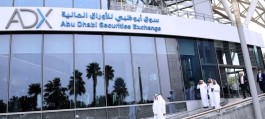
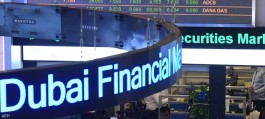
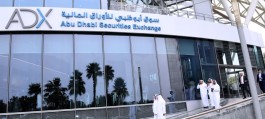
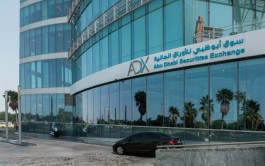
The UAE Securities and Commodities Authority announced that the Abu Dhabi Securities Exchange and the Dubai Financial Market will remain closed on March 2 and 3, citing its regulatory and supervisory role over the country’s capital markets and the need to take precautionary measures in light of the exceptional circumstances.
The decision to suspend trading is one of the most prominent precautionary measures the region has witnessed in years, reflecting the extent of concern about the repercussions of military escalation on financial stability.
Gulf markets
In Qatar, the main index fell by 3.7% after trading resumed following a bank holiday on Sunday, with all listed stocks declining without exception.
Shares in Qatar National Bank, the largest Gulf bank by assets, fell by 3.7%, indicating a broad sell-off across the banking sector.
Shares in Qatar Islamic Bank also fell by 5.2%, heading towards their biggest daily loss since August 2023, after HSBC lowered its target price for the stock to 28.4 Qatari riyals compared to a previous target of 29.4 riyals.
Losses extended to the transport and logistics sectors, with shares of Qatar Navigation falling by 6.2%, while shares of Qatar Gas Transport, a liquefied natural gas carrier, declined by 4.1%.
In Kuwait, the general index fell by 3.3% after trading resumed following a temporary suspension on Sunday due to what the stock exchange described as exceptional circumstances, while shares of Kuwait Finance House declined by 2.6%.
As for the Saudi market, its main index continued to decline by 1% after a loss of more than 2% in the previous session, with continued selling pressure amid investor fears of the repercussions of the regional conflict.
Oil prices surge as markets reprice.
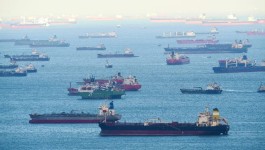
In contrast, oil prices jumped as much as 13% during trading on Monday after shipping in the vital Strait of Hormuz was disrupted by Iranian retaliatory attacks, which repriced the risks to global energy supplies.
About one-fifth of the world’s oil supply passes through the strait daily, making any disruption to it a crucial factor in the movements of global financial and energy markets.
In the rest of the Gulf markets, the Muscat index rose by 1%, benefiting from higher oil prices, while Bahraini stocks recorded a slight decline of 0.1%, in a performance that reflects the varying impact of the geopolitical shock among the region's economies.