




































After two weeks of intense political and legal wrangling between officials of the U.S. Federal Reserve (the central bank) and the administration of U.S. President Donald Trump, the Federal Reserve will seek to make this week's meeting on interest rates as simple and calm as possible, although President Donald Trump is unlikely to be satisfied with the outcome.
It is almost certain that the Federal Open Market Committee, which manages interest rates at the US central bank, will keep the key interest rate unchanged at around 3.6 percent, after three consecutive quarter-point cuts each time during the past year.
Federal Reserve Chairman Jerome Powell said after the December meeting that they were well positioned to wait for economic developments before taking any further steps.
When the Federal Reserve lowers the key interest rate, it can, over time, affect other borrowing costs, such as mortgages, auto loans, and corporate loans, although these rates are also affected by market forces.
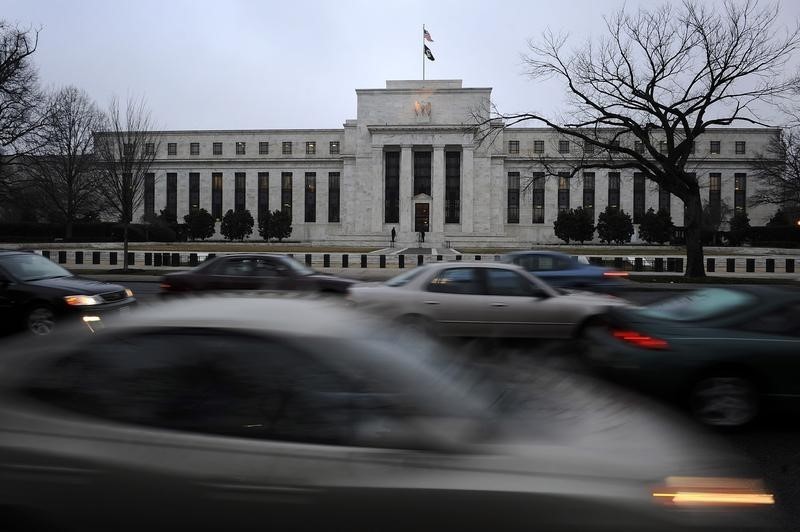
This week’s meeting, one of eight the Federal Reserve holds annually, is expected to be overshadowed by the surprise revelation earlier this month that the Justice Department subpoenaed the Fed as part of a criminal investigation into testimony Powell gave last June about a $2.5 billion renovation of the Fed’s headquarters.
This is the first time a current Federal Reserve chairman has been investigated, and it has prompted unusual public criticism from Powell of the US administration.
At the next meeting of the Federal Open Market Committee, Powell and the other members will have to shift their focus from their disagreement with the White House to emphasizing that the Federal Reserve's interest rate decisions are driven by economic, not political, considerations. Powell stated on January 11 that the subpoenas were a pretext to punish the Fed for not cutting interest rates at the pace Trump desired.
Claudia Saham, a former Federal Reserve economist and chief economist at New Century Advisors, said: Powell will face greater pressure to emphasize that everything we do here is about economics, and that we haven't thought about politics.
Michael Gabin, chief U.S. economist at investment bank Morgan Stanley and a former Federal Reserve official, said that despite the scrutiny, the Fed is expected to review its interest rate policies in the same way it always has.
He added: The meetings proceed according to a regular schedule, with presentations being made and discussions taking place, and some of these broader criticisms directed at the Federal Reserve are not being raised.