






























Moody's forecasts put the UAE economy on the brink of its biggest contraction in four decades, but that did not prevent the agency from maintaining the credit rating of the second largest Arab economy with a stable outlook.
Moody's said in a report Friday evening that the UAE's GDP could decline by 7% in 2026, the worst decline since 1986, when the economy shrank by 19.3%, according to IMF data.
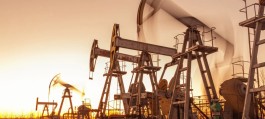
The agency attributed its forecast to estimates indicating a 23% decline in hydrocarbon production and a limited contraction in non-oil activities, amid declining confidence and weak tourism.
diversified economy
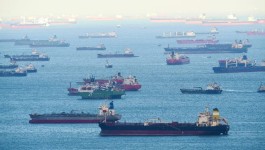
However, Moody's anticipates that the downturn will be followed by strong growth of 13% in 2027, driven by the recovery of trade through the Strait of Hormuz and increased oil production. The agency also attributed its decision to affirm the UAE's rating to the country's strong credit fundamentals, high per capita income, and diversified economy, which provides resilience to shocks. Furthermore, the agency cited strong institutions and effective policymaking, all of which contribute to continued progress in economic diversification.
The report also noted that the federal government has a very low level of debt.
Fitch Ratings had also affirmed the UAE’s credit rating on May 22, despite forecasts of a 3.2% contraction in the non-oil sector and a nearly 7% decline in Dubai’s GDP this year.
Support from the Abu Dhabi government
The rating also reflects the UAE’s ability to generate high oil revenues despite declining production, due to the existence of alternative oil export routes via the Habshan-Fujairah pipeline that bypasses the Strait of Hormuz, in addition to the federal government’s strong financial reserves and the implicit support from Abu Dhabi, which is the largest and richest of the Emirates, with its government financial assets exceeding 300% of its GDP by the end of 2025, according to Moody’s.
However, the agency predicted that the emirate's economy would shrink by 9.5% this year, before achieving growth of about 17% in 2027.
It is worth noting that the UAE plans to build an additional pipeline for refined products that bypasses the Strait of Hormuz, allowing exports of gasoline, diesel, and jet fuel to continue even if passage through the strait becomes impossible.