
























Gold prices fell sharply in Asian trading on Monday, as concerns about inflation and rising interest rates undermined demand for the safe-haven asset even as the US-Israeli war on Iran continued.
Developments over the weekend – specifically US President Donald Trump’s 48-hour ultimatum to Iran to reopen the Strait of Hormuz – pointed to a possible escalation in the conflict, especially with Tehran warning of retaliation.
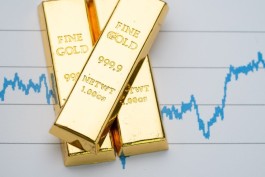
Spot gold fell to $4,200 an ounce, a drop of 6.44%, while futures contracts declined to $4,236 an ounce, a drop of about 8%.
Other precious metals also declined on Monday. Spot silver fell 0.4% to $67.6085 an ounce, while spot platinum dropped 0.6% to $1,913.57 an ounce.
Trump issues 48-hour deadline to Iran
Trump said over the weekend that Iran has 48 hours to reopen the Strait of Hormuz, or the United States will obliterate the country's vital energy infrastructure.
Iran responded by threatening to attack key energy and water infrastructure throughout the Middle East, and warned that it would completely close the strait.
Reports showed that hostilities between Iran and Israel continued over the weekend, with the conflict now entering its fourth consecutive week.
Trump’s deadline, especially if Washington carries out its threat, could represent a potential escalation of the war, particularly if Iran retaliates.
Gold falls as Iran war fuels inflation and interest rate concerns
Concerns about the inflationary impact of the Iran war have weighed heavily on gold prices in the past three weeks, pushing the precious metal below key levels and limiting the possibility of recovery.
Markets feared that a prolonged conflict would fuel global inflation through higher energy prices, leading to more hawkish stances from major central banks. This was evident last week when both the European Central Bank and the Bank of England signaled the possibility of raising interest rates this year.
The Federal Reserve has not signaled any interest rate hikes. However, markets have been steadily ruling out expectations of a rate cut by the central bank this year.
OCBC analysts said in a note: The market is trading less on geopolitical hedging flows and more on concerns that more persistent inflation could push central banks into a more hawkish stance.
But they added that the long-term drivers for gold remain in place.