










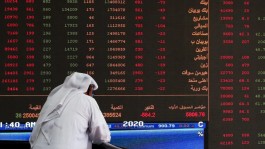




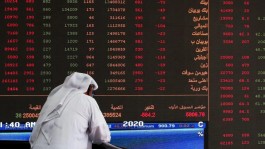


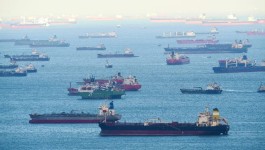

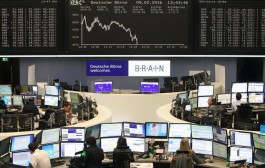

















Oil prices were steady in Asian trading on Tuesday after sharp gains in the previous session, as tensions between Russia and Ukraine remained high despite US-led efforts to revive peace talks, while investors assessed delayed US inventory data.
As of 05:42 Saudi time, Brent crude futures for February expiry rose 0.1% to $61.98 a barrel, while West Texas Intermediate crude futures also rose 0.1% to $58.11 a barrel.
Both contracts jumped more than 2% on Monday after US-led efforts to make progress in talks between Russia and Ukraine appeared to be faltering.
Russia-Ukraine tensions and Trump's threat to Iran are the focus of attention.
Russian President Vladimir Putin said on Monday that Moscow would review its negotiating position after what the Kremlin described as Ukrainian drone attacks near one of his residences.
Ukraine denied targeting Putin, but the statements dampened hopes for a near-term de-escalation and raised concerns that the conflict could continue into next year.
Geopolitical concerns have increased due to comments by US President Donald Trump, who said on Monday that the United States would strike Iran again if it tried to rebuild its nuclear program.
Trump’s remarks confirmed the continued tensions in the Middle East, a vital region for global oil supplies, and added to concerns about the potential for unrest or retaliatory measures involving major producers.
US oil inventories unexpectedly rise - Energy Information Administration
On the supply side, investors weighed in on the U.S. Energy Information Administration's data for the week ending December 19, which was released later than usual due to the Christmas holiday.
The report showed that US crude oil inventories rose by about 405,000 barrels, contrary to market expectations of a decline. Gasoline and distillate fuel inventories also increased, indicating either weak demand or strong refinery output during that period.
Looking ahead, market participants will be watching for further signals on diplomatic efforts in Eastern Europe, as well as upcoming US economic data and OPEC+ guidance, to assess the demand outlook and supply policy in early 2026.