





















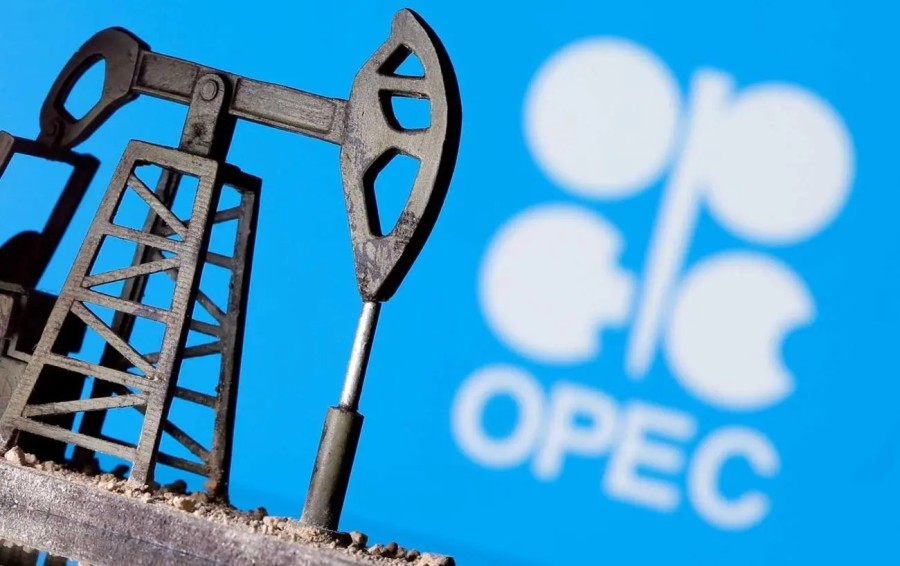


Oil prices rose after the OPEC+ alliance confirmed its commitment to plans to freeze production increases during the first quarter, while traders continued to assess the implications of US President Donald Trump's comments on Venezuela.
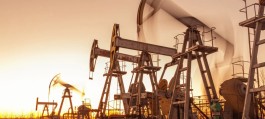
Brent crude traded near $63 a barrel, while West Texas Intermediate was around $59. The Saudi-led alliance confirmed the three-month production freeze announced at the beginning of last month following meetings on Sunday. The alliance reiterated that the move reflects weak seasonal market conditions.
Oil recorded its fourth consecutive monthly decline in November, as expectations of growing surpluses weighed on forecasts, with the International Energy Agency predicting a record surplus in 2026. However, geopolitical tensions in the Middle East and other regions have often supported prices this year.
Warren Patterson, head of commodity strategy at Singapore-based ING, said: “Although the market outlook is bearish with expectations of a large surplus, the ongoing supply risks mean that these negative fundamentals will take longer to be fully reflected in the price.”
Trump escalates pressure on Venezuela
On Saturday, Trump escalated pressure on Venezuela by warning airlines to consider the airspace over and around the country closed, before softening his remarks on Sunday. Nevertheless, the continued US military buildup in the region is keeping the market on edge.
Meanwhile, US and Ukrainian negotiators said they held constructive talks on a framework for a peace agreement, but without achieving a final breakthrough, while Trump continues to push for a truce with Russia. A potential ceasefire could lead to the easing of sanctions on Moscow and an increase in crude oil flows from the country.
Sharwa Shanana, chief investment strategist at Saxo Markets in Singapore, said: “Currently, geopolitical developments and OPEC+ actions appear to be forces attempting to prevent oil from collapsing, rather than factors capable of sustainably raising prices. It’s about news risks and preventing deeper sell-offs.”