






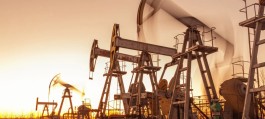







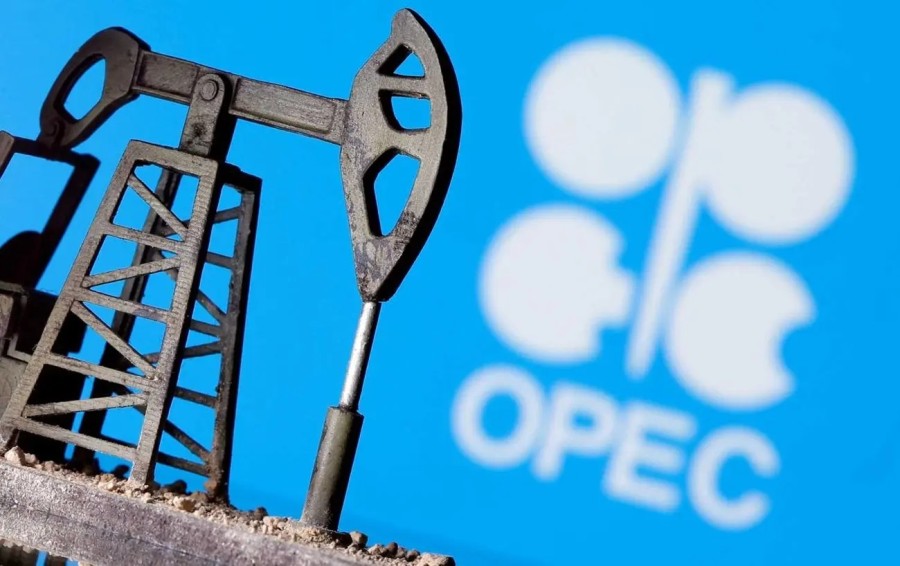


OPEC+ is expected to agree to a theoretical increase in oil production during its virtual meeting on Sunday, according to sources in the group, although analysts warn that the move will be almost entirely on paper, Reuters reported.
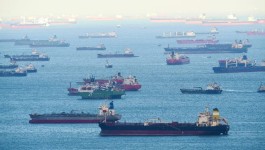
The Strait of Hormuz has been effectively closed since late February, with the world’s most vital oil artery blocked, leaving major OPEC+ producers operationally paralyzed despite rising crude oil prices.
Academic increase amid record disruptions
The proposed increase in May quotas is described by the consultancy Energy Aspects as purely academic. The conflict has already removed an estimated 12 to 15 million barrels per day from the market, roughly 15% of global supply.
The ongoing conflict in Iran represents the largest supply disruption in recorded history. Increased production would suggest a readiness to flood the market once the waterway reopens, but the reality on the ground is far more dire.
Key members, including Saudi Arabia, the United Arab Emirates, Kuwait, and Iraq, are currently unable to export significant quantities. Moreover, even if a diplomatic breakthrough were achieved today, Gulf officials warn that the extensive damage inflicted on energy infrastructure by missiles and drones would require months of repairs before production could return to pre-war levels.
JPMorgan Chase & Co. warns oil could reach $150 as Hormuz restrictions tighten
The supply shortage has already pushed crude oil prices to a four-year high near $120 a barrel. However, the ceiling could be much higher.
JPMorgan Chase & Co. warned on Thursday that if the Hormuz restrictions remain in place until mid-May, oil prices could rise above $150, surpassing all-time highs.
The crisis is exacerbated by the inability of other OPEC+ members to fill the gap. Russia remains constrained by Western sanctions and its own ongoing infrastructure damage from the conflict in Ukraine.
Therefore, the global market lacks a swing producer capable of mitigating the current shock. For investors, Sunday's meeting is a symbolic gesture of intent, but it offers no immediate relief from the mounting pressure on global energy.