


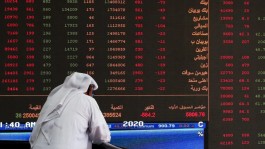
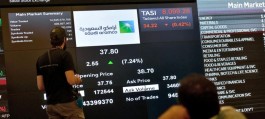

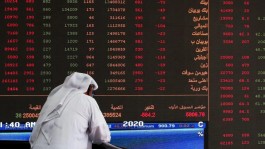

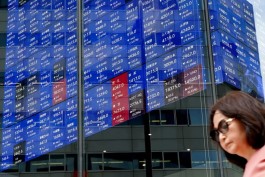
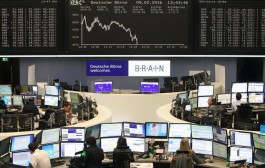


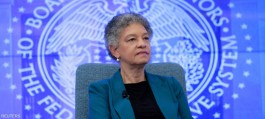






Asian stocks and US stock futures fell after hawkish comments from Federal Reserve Chairman Kevin Warsh reinforced bets that the central bank will raise interest rates next month. Oil prices rose as tensions escalated in the Middle East.
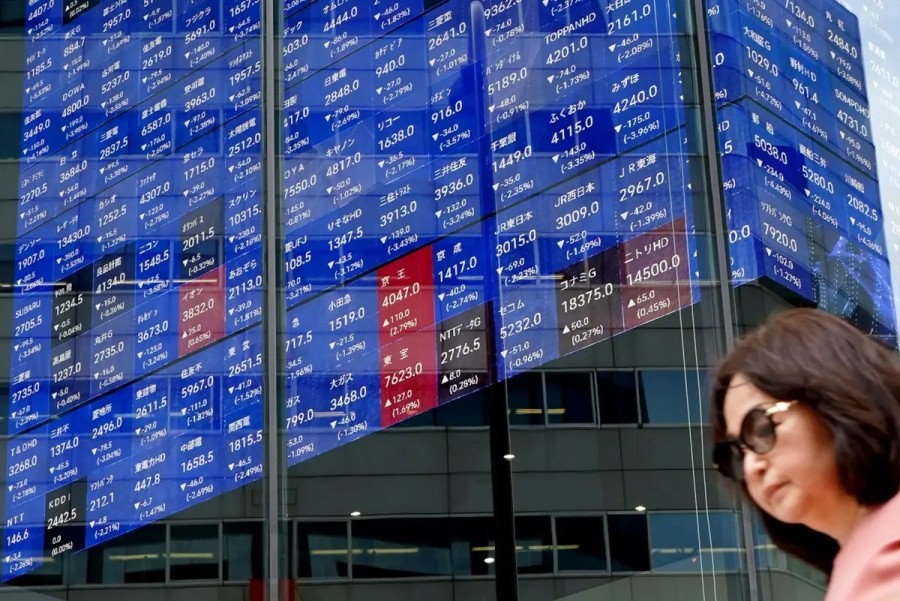
The MSCI Asia Pacific Index fell 1%, ending a four-session winning streak, with technology stocks leading the losses. The Kospi, a gauge of artificial intelligence investments, dropped 2.1%, weighed down by chipmakers Samsung Electronics and SK Hynix. Nasdaq 100 futures declined 0.6%.
Treasury bonds recovered some of their losses from last week in Asian trading, with the yield on the two-year note falling two basis points to 4.33%. The Bloomberg Dollar Index also declined after the Federal Reserve Chair's speech in Jackson Hole on Friday sent the U.S. currency to its biggest gain in two months.
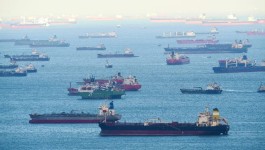
Gold continued its decline, trading near $4,405 an ounce, amid concerns that higher interest rates would diminish the appeal of the non-yielding asset. Brent crude rose 2.4% to $90.51 a barrel after US forces targeted Iranian missile launch sites on Sunday, ending weeks of relative calm.
Warsh's tightening of interest rates brings bets on a rate hike back to the forefront
The negative tone in stock markets followed Warsh's remarks that inflation was not slowing significantly and that policymakers had work to do if they weren't confident it was. Traders increased their bets on a September interest rate hike after his comments, although some market commentators expressed doubts about such a move.
High borrowing costs also threaten to derail the AI stock rally this year, as high valuations make tech stocks more vulnerable to rising returns. Escalating tensions in the Middle East have added to the pressure, along with rising oil prices, further increasing inflation risks.
Hebei Chen, senior market analyst at Vantage Global Prime, said: Asian markets are opening the final session of the month with a cautious 'what happens next?' mood.
She added: Kevin Warsh’s hawkish message at Jackson Hole has put the prospect of another interest rate hike by the Federal Reserve firmly back on the table, leaving interest-sensitive technology stocks particularly vulnerable, and suggesting that the near term may remain more about managing volatility than pursuing the next phase of upside.
Traders have increased their bets to 65% that the Federal Reserve will raise its benchmark interest rate when it meets next month, up from a probability of around 34% before Warsh's remarks, according to swap data compiled by Bloomberg. Markets are also pricing in at least one more rate hike next year.
Warsh said financial conditions are not constrained at the moment, and described interest rates as the Federal Reserve's dominant tool for fulfilling its mandate, but declined to indicate support for a rate hike in September.
Bond investors are skeptical of the September scenario.
However, bond investors at firms including ABN AMRO Investment Solutions and Brandywine Global Investment Management are expressing doubts about growing speculation that Warsh is preparing to raise interest rates.
Some investors have doubts after the Federal Reserve chairman's appearances have shaken markets over the past few months, despite his continued pledge to curb inflation.
This has led them to prepare for the possibility that interest rates will be left unchanged again, as they did in June and July, adding to concerns about the Federal Reserve's credibility that have helped push long-term bond yields to their highest levels in nearly two decades.
Elsewhere, the yen hovered near 160 against the dollar after hitting its weakest level in a month. Traders will be watching for a stronger stance from Japanese officials after the currency weakened on Friday following a surge in the dollar, erasing more than half of its gains that had been supported by intervention.
In geopolitical news, the US attack was the first military action against Iran in more than a month, after President Donald Trump shifted to a campaign aimed at pushing Iran to the negotiating table by putting pressure on its economy.
Chris Weston, head of research at Pepperstone Group Ltd, wrote in a note: “At the moment, the latest developments are not doing much to accelerate diplomatic talks, but traders are not showing much surprise at these developments and are trading in line with the headlines.”