

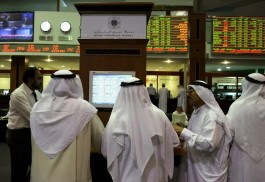









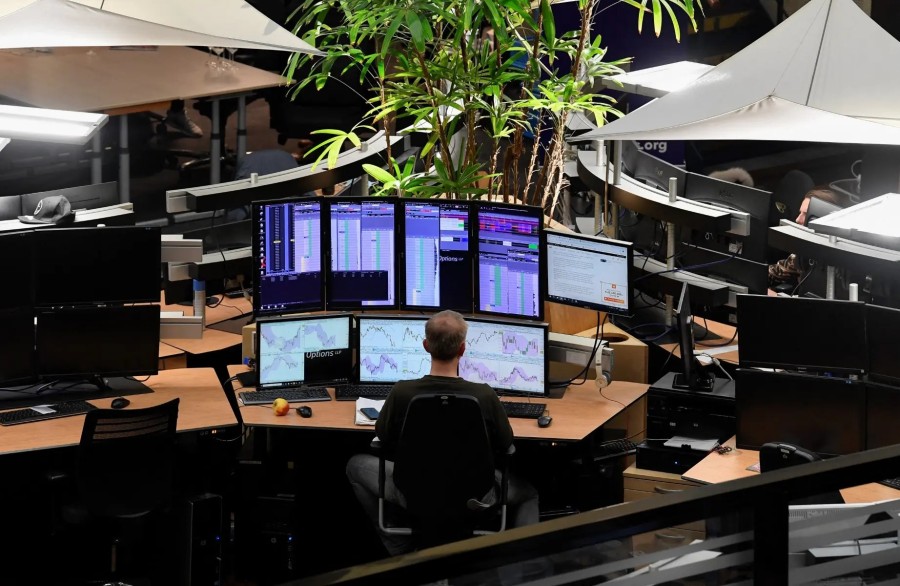

European stock markets mostly declined on Thursday, as investors noted continued tensions around the Strait of Hormuz despite US President Donald Trump's indefinite extension of the ceasefire in the Iran war.
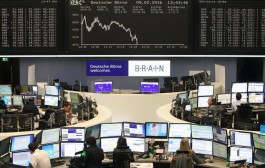
By 11:05 Saudi time, the European Stoxx 600 index had fallen by 0.4%, the German Dax index had declined by 0.5%, and the UK's FTSE 100 index had dropped by 0.6%.
The exception was France's CAC 40 index, which rose 0.3%. Sentiment around the index was boosted by cosmetics giant L'Oreal, which posted its fastest quarterly growth in two years despite lingering concerns about the impact of the Iranian conflict on consumer spending. The company's shares jumped more than 8%.
Traders were also looking for any signs that new peace talks between the United States and Iran might emerge, with Trump telling US media that a resumption of negotiations was possible as early as Friday.
In a social media post on Tuesday, the president said the ceasefire deal with Iran had been extended just hours before its scheduled expiration at the request of Pakistan, which had acted as an intermediary between Washington and Tehran. Trump said the truce would remain in effect until Iranian officials presented a unified peace proposal.
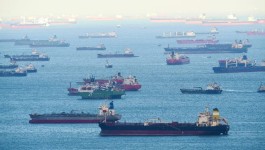
However, the fate of any future discussions was shrouded in uncertainty, especially after Iran attacked three ships – and seized two of them – near the Strait of Hormuz just hours after Trump’s announcement, in response to the ongoing US blockade of Iranian ports and coastline.
The prospect of further supply disruptions through the Strait of Hormuz, a vital shipping lane for a fifth of the world's oil, has pushed crude oil prices back above $100.00 a barrel. Although oil prices have retreated from their initial surge following the start of the war in late February, they remain significantly higher than pre-conflict levels.
Eurozone business activity data due later today could shed some light on how companies are coping with the hurdles posed by the energy shock.
Flood of profits
However, some analysts have suggested that investors may be paying less attention to the almost constant stream of developments coming out of the Middle East, and instead refocusing on corporate results and booming spending on artificial intelligence infrastructure.
Shares in hygiene product maker Essity rose on better-than-expected quarterly core earnings, as increased volumes helped offset lower product prices. The group's chief executive told Reuters that the company is preparing to raise prices to compensate for higher energy costs.
But supermarket chain Sainsbury's warned that the war would affect customers' shopping habits, casting a shadow of uncertainty over the British company's outlook. Shares fell by more than 5%.
Meanwhile, shares of airline Safran rose, driven by better-than-expected first-quarter revenue and confirmation of its 2026 outlook.
Sanofi, the pharmaceutical company, also exceeded expectations in its first quarter profits and revenues thanks to its popular asthma and eczema drug Dupixent, pushing the stock up by more than 2%.