

































Oil prices rose for a fourth day, amid continued tensions between the United States and Iran over the Strait of Hormuz, after negotiations failed to hold a new round of peace talks.
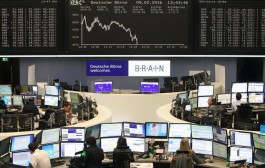
Brent crude traded near $103 a barrel after jumping about 13% in the past three sessions, while West Texas Intermediate crude was at around $94.
US President Donald Trump said the truce agreed upon on April 7 would remain in place indefinitely, while Washington waits for Iran to present a new peace proposal, although Tehran says it does not plan to participate in negotiations at the moment.
Brent crude, the global benchmark, jumped as much as 4.2% early in the session before quickly retreating, amid unconfirmed reports of explosions in Iran.
The war has shaken energy markets since it broke out at the end of February, with the near-total closure of the Strait of Hormuz causing a sharp drop in flows from major producers in the Gulf.
The United States maintained a naval blockade on ships heading to and from Iranian ports to pressure the regime, a move Foreign Minister Abbas Araqchi described as a violation of the ceasefire.
Geopolitical pressures are supporting prices
Dennis Kessler, senior vice president of trading at BOK Financial Securities, said tensions remain high, and with the US and Iran currently at a near standstill over agreements, the lack of backing from either side will keep the upward trajectory of prices more likely. He added: “The longer oil is not flowing through the Strait, the higher prices will go.”
Washington and Tehran remain deadlocked on several other key issues, including Iran's nuclear capabilities and Israel's invasion of Lebanon. Iranian President Masoud Pezeshkian said in a statement that while he welcomes talks, sanctions and threats are the main obstacles to diplomacy.
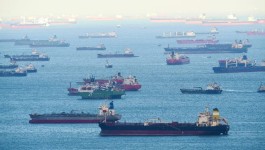
Iran is keeping the Strait of Hormuz closed to most other international traffic, and its boats fired on commercial vessels in the strait on Wednesday. Since the US imposed a naval blockade earlier this month, US forces have seized ships and ordered dozens more to turn back.
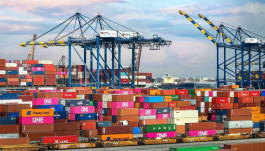
Shipping traffic through the Strait of Hormuz came to a near standstill on Thursday, with only one bulk cargo ship observed passing through, while no other vessels were seen entering the waterway.
Markets are awaiting US supplies.
In a related context, traders followed the US oil inventory data published by the Energy Information Administration on Wednesday, which showed declines across all major refined product categories.
The world was relying on American supplies to offset the turmoil in the Middle East, and this high demand pushed total oil and fuel exports to a new record high, according to the agency.
Warren Patterson, head of commodities strategy at ING Group, said that the lack of progress in peace talks means that the hopes the oil market had for a resolution will fade, pushing the market to increasingly price in the reality of supply disruptions.
He added: While prices have been driven by news recently, the market will gradually become less affected by it if it turns out to be just passing news.
In the latest trading, Brent crude futures for June settlement rose 0.9% to $102.84 a barrel at 1:58 p.m. in Singapore, while West Texas Intermediate crude futures for June delivery climbed 1% to trade at $93.93 a barrel.