






















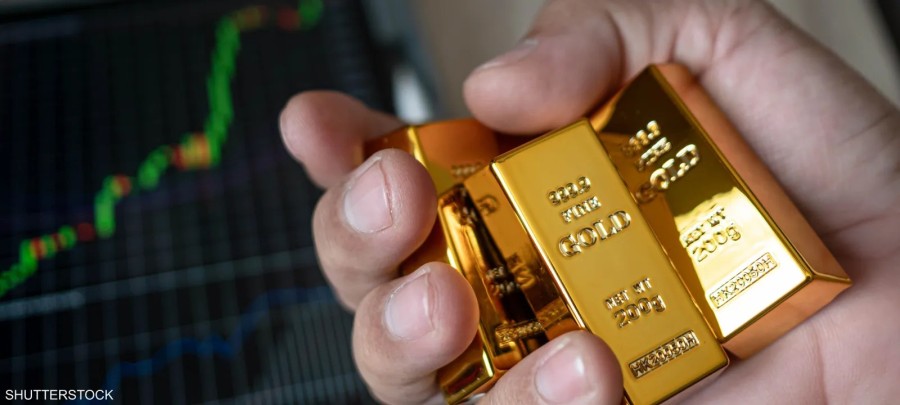


The price of gold fell as the extension of the US ceasefire with Iran left markets facing the fallout from the Strait of Hormuz crisis, affecting energy security and keeping inflation risks high.
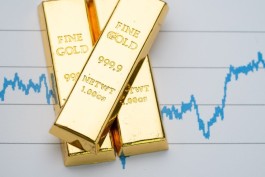
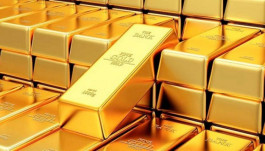
The precious metal fell as much as 1% to below $4,700 an ounce, erasing gains from the previous session.
US President Donald Trump said the truce agreed upon on April 7 would remain in place indefinitely, while Washington waits for Iran to present a new peace proposal, although Tehran says it does not plan to participate in negotiations at the moment.
Trump's extension of the ceasefire represents a retreat from threats to resume bombing Iran if no agreement is reached by Wednesday's deadline.
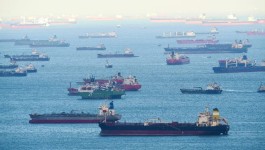
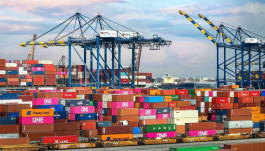
Meanwhile, the two sides are engaged in a battle for control of the Strait of Hormuz, a vital energy waterway, aiming to gain leverage in potential truce talks. Both countries have imposed blockades on shipping in the region, and Iranian vessels have fired on commercial ships.
High inflation risks
Oil rose for a fourth day, while a measure of the dollar edged higher, putting pressure on gold, which is priced in the US currency.
The conflict, now in its eighth week, has caused an unprecedented shock to energy supplies, increasing the risk of inflation and likely prompting central banks to keep interest rates unchanged for longer, or even raise them. This has put pressure on the non-yielding metal, which has fallen by about 11% since the start of the war.
Rona O'Connell, head of market analysis for Europe, the Middle East, Africa, and Asia at trading firm StoneX Group, wrote in a note that the precious metals market will remain cautious and volatile. She added: Professional trading houses remain hesitant to commit to large positions in such tense geopolitical conditions.
Spot gold fell 0.8% to $4,699.28 an ounce at 10:56 a.m. Singapore time. Silver declined 2.3% to $75.92 an ounce. Platinum and palladium also fell.