



















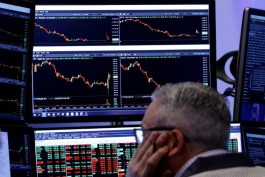











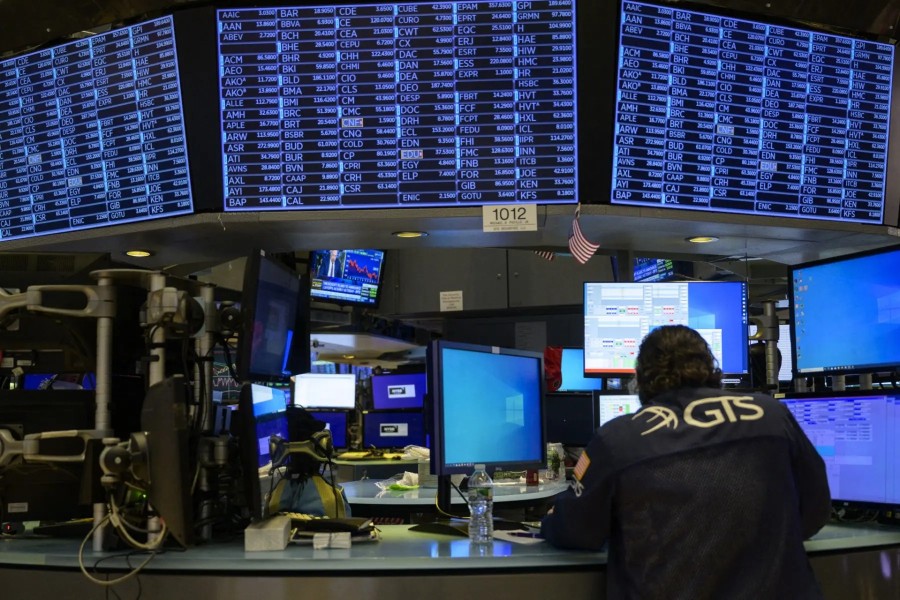


The recovery of AI bets faltered after a lackluster debut by a South Korean data center firm on the stock exchange renewed concerns about the sustainability of the spending boom on this technology.
S&P 500 futures fluctuated between gains and losses as a weak reception for Ellice shares in Seoul dampened investor appetite for riskier assets. The AI infrastructure company's stock plunged 32%, marking the worst performance for a large-cap company on its first day of trading in the country. Nasdaq 100 futures fell 0.4%, halting a rally that had lasted throughout the day.
US Treasury bonds saw a renewed surge in safe-haven demand, with the 10-year yield falling two basis points to 5.12%. French bonds outperformed their Eurozone counterparts.
AI concerns weigh on Ellis stock
Roger Lee of Cavendish said: “Concerns surrounding data centers and AI-related infrastructure investment have been growing for several days and are strongly negatively impacting sentiment.” He added: “The market probably needs some reassurance that the massive capital expenditure is paying off, but that’s hard to see at the moment,” according to Bloomberg.
Technology stocks are under pressure amid concerns about artificial intelligence, and the dollar is weakening.
The lukewarm reception to Ellis reflects concerns raised by the cancellation of Australian firm Firmus Grid's initial public offering nearly two weeks ago, which starkly highlighted funding challenges related to the development of AI infrastructure globally. These concerns are also evident in debt markets, where rising yields on corporate bonds such as CoreWave suggest that raising capital may become more difficult.
The risk aversion that gripped markets on Tuesday spread across the region, with MSCI's benchmark Asian index hitting its lowest level since July, and South Korea's Kospi index falling 3.7%. The pan-European STOXX 600 index declined 0.6%, while Bitcoin resumed its losses.
Meanwhile, bonds received a boost from the strongest demand ever recorded at a Japanese 20-year bond auction, indicating that higher yields are attracting domestic investors back to the market. While European bond prices rose slightly overall, French bonds remained under pressure.
French bond yields rise
The additional yield that investors demand to hold French 10-year bonds instead of safer German bonds rose by two basis points to 150 basis points, a level last seen on October 5.
The BlackRock Investment Institute said in a note: “We see opportunities where higher sovereign bond yields better compensate investors for risk without signaling weak economic fundamentals. However, the sharp sell-off in French government bonds shows that selectivity is key.”