
















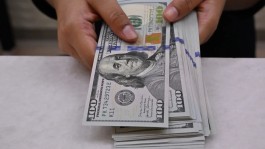








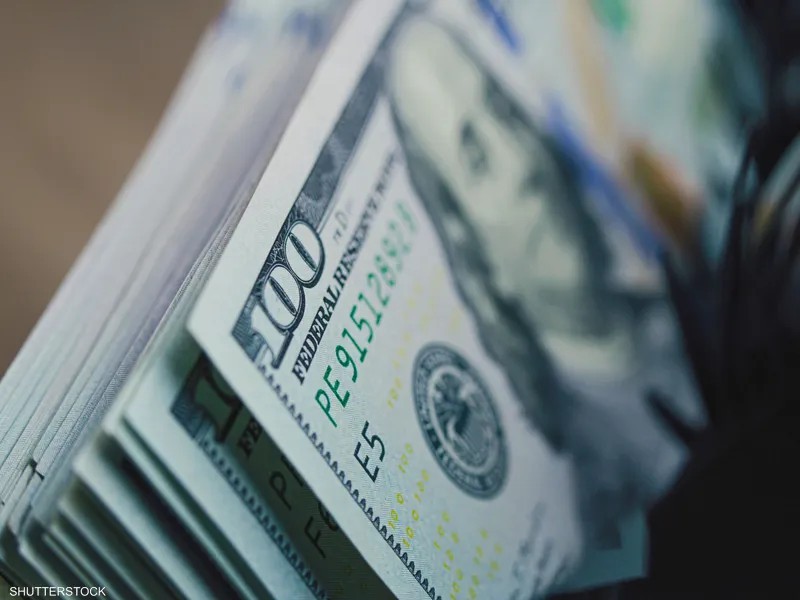


The US dollar ended 2025 with its biggest annual decline in eight years, and investors expect further drops if the next Federal Reserve chairman chooses to cut interest rates even further, as widely anticipated.
The Bloomberg Dollar Spot Index is down 8% this year, and investors expect further declines.
After its decline following Donald Trump’s Liberation Day tariffs in April, the dollar has come under sustained pressure as the president begins his aggressive campaign to appoint a dovish figure to head the Federal Reserve next year.
“The Federal Reserve will be the most important factor for the dollar in the first quarter of the year,” says Yusuke Miari, foreign exchange strategist at Nomura, adding that it is not just the January and March meetings that are at stake, but also who will take over as Fed chair after Jerome Powell’s term ends.
With at least two interest rate cuts expected next year, US monetary policy is taking a different path from some of its counterparts in developed countries, which is weakening the appeal of the dollar.
Traders increased their bets against the dollar in the week ending December 23, according to data released Wednesday by the Commodity Futures Trading Commission. Options pointed to further dollar weakness in January, with some moderation in the following months.
Euro vs. Dollar
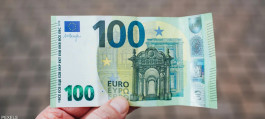
The euro rose against the dollar, and with inflation easing to comfortable levels and a new wave of defense spending looming in Europe, bets on an interest rate cut remain virtually nonexistent. Conversely, interest rate traders in Canada, Sweden, and Australia are betting on further rate hikes.
The dollar index was little changed on Wednesday after rising as much as 0.2% earlier, as Labor Department data showed U.S. jobless claims fell last week to one of their lowest levels this year. The dollar index fell 1.2% in December.
Federal Reserve chairmanship drama
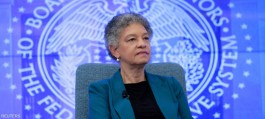
Currently, the focus is on the Federal Reserve and who will succeed Jerome Powell as chairman, whose term ends next May.
Trump recently hinted that he has a preferred candidate, but he is in no hurry to announce it, and he also suggested the possibility of firing the current central bank chairman.
Kevin Hassett, director of the National Economic Council, has long been seen as the frontrunner for the position, while Trump has also expressed interest in Kevin Warsh, a former member of the Federal Reserve.
Christopher Waller and Michelle Bowman, both members of the Federal Reserve Board, and Rick Ridder of BlackRock are considered to be in contention for the position.
Andrew Hazlitt, a foreign exchange trader at Monex, said: Hassett's appointment will be largely priced in by the market, given that he has been the frontrunner for some time, but Warsh or Waller's appointment is unlikely to lead to a rapid interest rate cut, which would be good for the dollar.
Bloomberg Economics Opinion
The long upward trend, coupled with what appeared to be an overvaluation of the US dollar in recent years, led to a consensus forecast that the dollar would remain weak against the euro for the past nine years, with this forecast remaining in place until 2026, according to macroeconomic strategist Skylar Montgomery Koning.
He added: However, the euro's exchange rate against the dollar fell in six of those years, highlighting two fundamental problems with this perception; firstly, valuation is not an accurate indicator of price movement, and secondly, the consensus of expectations tends to catch up with the spot exchange rate, thus providing delayed signals.