




























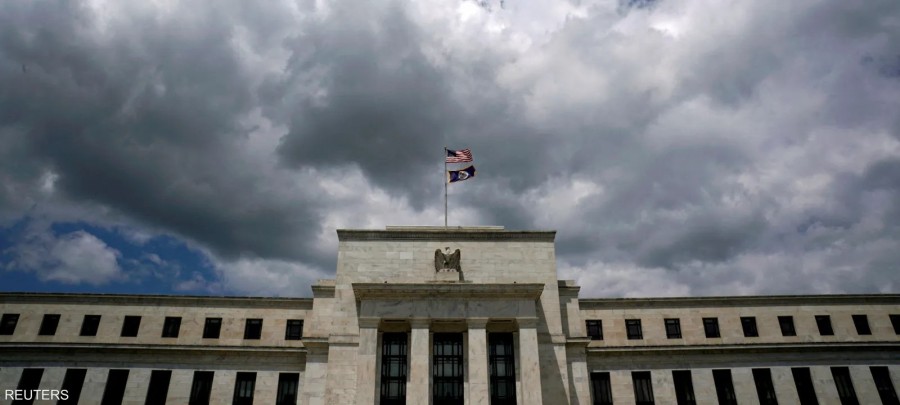


The Federal Reserve’s own indication that monetary policy is now close to neutral has raised expectations for further interest rate cuts next year, suggesting that markets should expect tightening rather than bailouts, paving the way for fixed income, rather than aggressive easing, to do most of the heavy lifting in investment portfolios unless an economic downturn emerges.
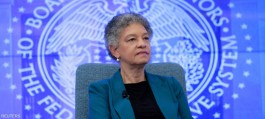
The Fed's 25-basis-point cut at its December meeting—its third this year—brought interest rates to levels policymakers now consider close to neutral, a setting that neither stimulates nor restricts economic growth. With policy now within a broad range of estimates of its neutral value, Federal Reserve Chair Jerome Powell said the central bank is well-positioned to wait and see how the economy develops.
The Fed's split near the neutral level is a warning sign.
Periods when policy is close to neutral typically require a unified Federal Open Market Committee, as mistakes in either direction can have significant consequences. Excessive rate cuts risk reigniting inflation, especially given that many expect fiscal policy to become even more expansionary next year under President Donald Trump.
However, the latest meeting highlighted growing divisions among Federal Reserve officials, raising questions about policymakers' confidence in their own projections. The Fed's updated summary of economic projections paints a smooth road ahead: growth remaining above 2%, a stable labor market, and inflation gradually returning to the target.
Markets vs. the Fed: Who's betting more?
Markets interpreted Powell's tone as a sign that further easing remains possible, pricing in as many as two interest rate cuts next year, according to Investing.com's Fed Rate Monitor tool. In contrast, Fed officials continue to project only one cut, despite the apparent lack of consensus within the committee.
But whether it's one cut, two cuts, or no cut at all... the underlying message there is: Don't expect the Fed to do more in the absence of a recession, as Baird said.
Wall Street itself is far from unified about what comes next. Macquarie’s baseline is that the Federal Reserve’s December rate cut may be the final step in the current easing phase, with its next policy move eventually back toward tightening. Morgan Stanley, on the other hand, expects the labor market to remain weak until the tariffs are fully passed and anticipates further cuts in January and April, noting that if employment data continues to hold up, further easing will likely require a more pronounced drop in inflation.
What to watch for in 2026
With policy moving closer to neutral and valuations rising in parts of the stock market, particularly among high-growth AI stocks, fixed income appears poised to play a more central role in investment portfolios.
For investors who need to have a healthy fixed-income allocation, their fixed-income portfolio is capable of doing more of the heavy lifting, Baird said, cautioning that selectivity is important.
Credit is still aggressively priced in some areas, he added. I will wait for a better opportunity to enter cautiously.
With attention focused on the neutral interest rate, another danger looms: that the Fed will eventually be forced to shift away from easing altogether.
If the economy really takes off, and inflation rises a little, and the Fed is forced to reverse course and tighten instead of cut, Baird said, that would surprise the market.