














Oil prices rose slightly ahead of nuclear talks between the United States and Iran, as some major Middle Eastern producers boosted exports, while fears of a possible conflict in the region created uncertainty about future supplies.
Brent crude rose above $71 a barrel after a two-day decline, while West Texas Intermediate crude climbed to around $66.
A U.S. delegation including special envoy Steve Wittkopf is scheduled to meet with Iranian Foreign Minister Abbas Araqchi for talks in Geneva on Thursday, as U.S. forces mass in the Middle East.
Awaiting the results of the Geneva talks
Warren Patterson, head of commodities strategy at Singapore-based ING Group, said all eyes will be on talks between the United States and Iran today, as the outcome of that meeting will determine the direction of oil prices.
Patterson had previously estimated that crude prices included a risk premium of up to $10 per barrel. He added: Until then, the market is likely to remain somewhat in a wait-and-see mode.
Oil prices are under downward pressure due to widespread expectations of a global surplus this year and escalating geopolitical concerns surrounding Iran. Some of these risks are reflected in the options market, where indicators still favor bullish call options, while implied volatility remains high.
US President Donald Trump said he prefers a diplomatic solution to the Iranian nuclear program, but warned of consequences if no agreement is reached. The United States imposed new sanctions on more than 30 entities supporting Iranian oil and arms sales, increasing pressure on Tehran ahead of the talks.
Increased Middle East exports and anticipation of the OPEC+ meeting
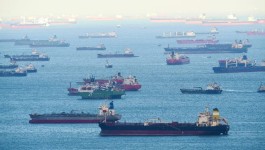
Amid ongoing tensions in the Middle East, Saudi Arabia is poised to export its largest volume of crude oil in nearly three years this month, while Iran has been ramping up tanker loadings in recent days. Overall flows from Iraq, Kuwait, and the UAE have also increased.
The market will be closely watching the outcome of Sunday's OPEC+ meeting to determine supply policy for April. Some delegates expect a modest increase in production, but an official said the outlook is uncertain, given the looming threat of conflict between the United States and Iran.