































Data due this week is expected to reveal that inflation in the UK has accelerated to its highest level in nine months, potentially paving the way for key decisions ranging from the upcoming budget to a possible increase in interest rates.
Economists expect Wednesday's report to show prices rose 3.4% year-on-year in September. The result will be a welcome return to reality for British monetary policymakers as they arrive in London, following praise from the International Monetary Fund and its upward revision of growth forecasts.
Expected acceleration of British inflation
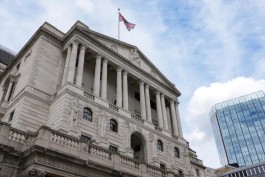
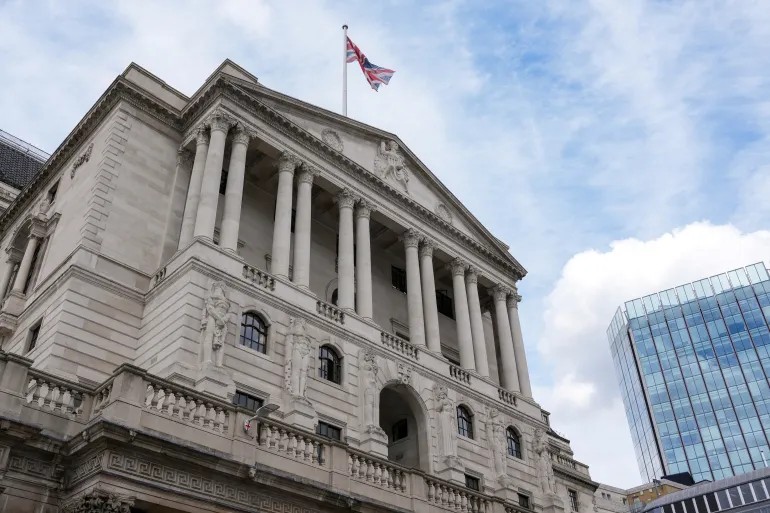
Inflation data is expected to help decide on the Bank of England's first interest rate hike in more than three years in November, and will also affect the calculations of Chancellor John Healey, who has pledged to give businesses and households some breathing room in the budget due to be announced next week.
The Chancellor's financial plans are facing constraints due to a global bond sell-off, after renewed energy price increases prompted traders to bet on a series of Bank of England interest rate hikes to contain inflationary pressures.
Bond yields put pressure on budget plans
British government bond yields have risen to near multi-decade highs, further limiting Healy's already tight fiscal room for maneuver. Tax increases are likely to be necessary to fund any cost-of-living relief measures, with banks expected to be targeted.
Although the Bank of England has so far refrained from raising borrowing costs, investors are betting that it will join the Federal Reserve and the European Central Bank in tightening monetary policy at its next meeting on November 5.
Bloomberg Economics experts' opinion:
Dan Hanson, chief UK economist, said: “The combination of rising inflation, robust demand, and a stabilizing labor market will make it difficult for the Bank of England to keep interest rates unchanged. We expect a 25-basis-point increase at the central bank’s next meeting in November. We also expect another move in February.”
Governor Andrew Bailey said in Bangkok last week that there was little evidence yet of the energy shock spreading widely in the economy, and Tuesday's data was likely to indicate that labor market-related price pressures remained limited.
But inflation is expected to worsen, with Bailey warning that the longer the conflict in the Middle East continues, the more difficult it will become to avoid raising interest rates. The Bank of England already expects inflation to exceed 4% in early 2027, double its target of 2%.