










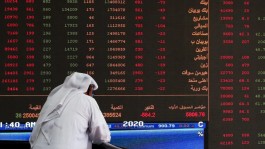




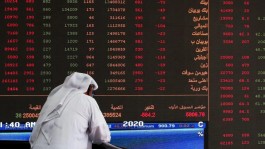



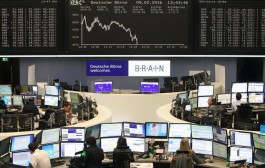
















Oil prices continued their rise during Tuesday's trading, amid growing concern in the markets about the future of the geopolitical situation in the Middle East, after US President Donald Trump cast doubt on the chances of reaching an agreement to end the war with Iran, stressing that the ceasefire agreement was threatened with collapse.
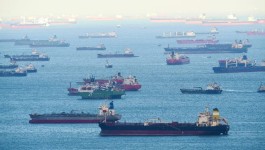
These statements prompted investors to reprice the risks associated with energy supplies, amid concerns about the widening scope of tensions and their potential impact on the movement of global oil supplies, which reinforced the upward trend that the markets have been witnessing since the beginning of the week.
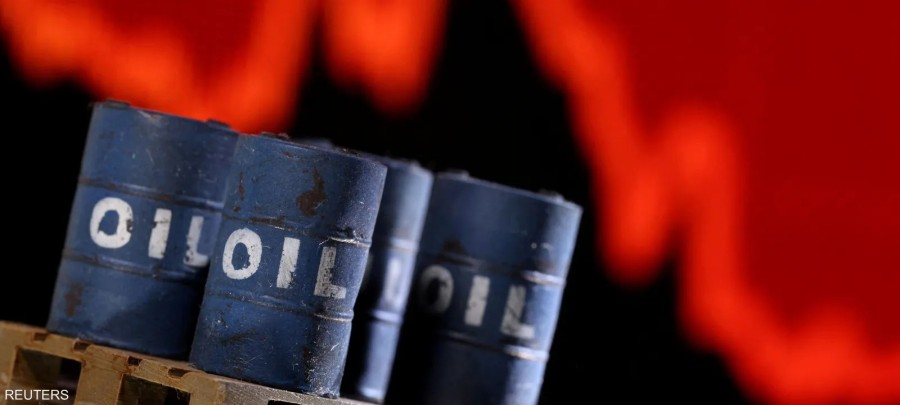
In trading details, Brent crude futures for July delivery rose 1.1%, or $1.17, to $105.38 a barrel, continuing their strong gains after rising by about 2.8% during yesterday’s session.
Nymex crude futures for June delivery also rose by 1.45%, or $1.44, to $99.51 a barrel, as markets continued to bet on the possibility of supplies coming under further pressure if diplomatic efforts in the region falter.
Suvro Sarkar, head of energy at DBS Bank, told Reuters that investor optimism about the possibility of reaching a peace agreement has begun to decline significantly, noting that the failure of negotiations by the end of May could pave the way for a new wave of sharp increases in oil prices.
Meanwhile, markets are awaiting the release of US crude oil inventory data from the American Petroleum Institute later today, ahead of the official figures from the US Energy Information Administration on Wednesday, which could provide important clues about demand and consumption levels in the world’s largest oil-consuming economy.