





































Brent crude prices could exceed $120 a barrel by the fourth quarter of the year if shipping disruptions through the Strait of Hormuz continue, according to Goldman Sachs Group, although this scenario is not the bank's baseline forecast.
Analysts, including Dan Stroeven, said in a note issued on July 20 that escalating tensions in the Middle East and a decline in estimated Gulf flows to less than 45% of pre-war levels have pushed oil prices higher again.
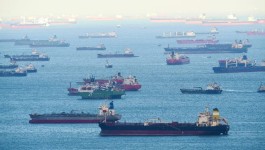
Goldman Sachs currently forecasts Brent crude to reach $80 a barrel in the fourth quarter before falling to $75 next year, based on the assumption that tensions in the Middle East will subside. However, analysts believe the risks surrounding this forecast are tilted to the upside, given the ongoing shipping disruptions through the Strait of Hormuz and the potential for these disruptions to extend into the Red Sea.
Oil supply shocks
Global energy markets have been volatile this month, with Brent crude rising again above $91 a barrel, amid renewed tensions between the United States and Iran and threats from Tehran-backed Houthi rebels in Yemen to disrupt shipping in the Red Sea. Oil flows through the Red Sea have been crucial in delivering disrupted shipments of Arabian Gulf crude to consumers.
Analysts said that the decline in global inventories during the second quarter made the oil market more vulnerable to supply shocks, but that a drop in Chinese imports, along with increased demand resilience, could limit expected gains.
For investors seeking to hedge against ongoing geopolitical shocks from the Middle East and Russia, Goldman Sachs suggested a strategy based on taking a long position on the price differential between European diesel contracts for December 2026 and March 2027 delivery.
Disruptions threaten the diesel market
Analysts pointed out that diesel markets were already suffering from severe shortages before the war, while Ukraine continued to target Russian refineries, coinciding with additional risks threatening supplies, including hurricanes, summer heat waves, and the postponement of facility maintenance work.
Brent crude futures were at $88.65 a barrel in the latest trading, after peaking above $126 a barrel in late April, during the initial phase of the conflict between the United States and Iran.