




































Elon Musk's SpaceX has acquired xAI, in a deal that embodies the billionaire's increasingly expensive ambitions to dominate artificial intelligence and space exploration.
The deal was announced in a statement published on SpaceX's website and signed by Musk.
SpaceX said in the statement that its acquisition of XAI aims to create the most ambitious and vertically integrated engine of innovation on (and beyond) planet Earth, combining artificial intelligence, rockets, space internet, direct communications with mobile devices, and the world's most advanced platform for real-time information and free expression.
According to a previous report, the deal, which gives the merged company a valuation of $1.25 trillion, was announced to employees in an internal memo on Monday.
SpaceX is proceeding with its IPO plans.
The shares are expected to be priced at $526.59 each, according to people familiar with the matter who asked not to be identified because the information is not public. Representatives for SpaceX and XAI did not immediately respond to requests for comment.
The deal brings together two of the world's largest closely owned private companies. XAI raised funding in January at a valuation of $230 billion, while SpaceX was planning to proceed with an equity sale in December at a valuation of nearly $800 billion, according to Bloomberg.
The statement published on SpaceX's website did not disclose the terms of the offering, including price and valuation.
One person said the company still expects to proceed with an initial public offering later this year. SpaceX had been planning an IPO that could raise up to $50 billion, according to a previous Bloomberg report.
The rationale behind the deal and Musk's vision for space
In explaining the rationale for the deal, Musk said in the statement that the least expensive way to conduct AI computing operations in two to three years would be in space.
He wrote: This cost-efficiency alone will enable innovative companies to move forward in training AI models and processing data at unprecedented speeds and scales, accelerating breakthroughs in our understanding of physics and the creation of technologies that benefit humanity.
According to a filing submitted on Friday, SpaceX is seeking permission to launch up to one million satellites into Earth orbit as part of this plan.
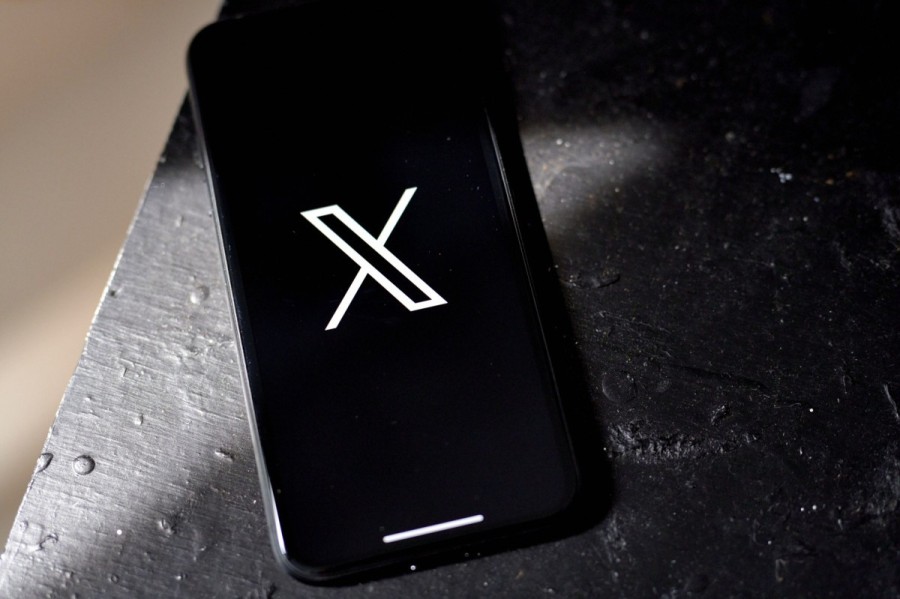
This deal further complicates Musk's various business ventures. The billionaire acquired the social media platform Twitter in late 2022, renamed it X, before merging it with his artificial intelligence startup XAI in a $33 billion deal.
Funding XAI's massive requirements
XAI, which also operates the Grok chatbot, is a high-cost project, burning through roughly $1 billion a month in pursuit of its stated ambition to achieve a deeper understanding of our universe. The merger with SpaceX allows for the pooling of capital and talent, access to massive computing power, and blurs the lines between corporate entities.
Unlike some of Musk's other ventures, SpaceX stands out as perhaps his most successful and stable business. The company, the only one in the United States capable of regularly launching astronauts to and from the International Space Station, is a major provider of rocket launch services for both NASA and the U.S. Department of Defense, which the White House is moving to rename the Department of War.
The growing revenue it generates from its Starlink network of more than 9,000 satellites is also becoming more important, as it now surpasses launch sales and represents a potential source of funding for XAI's capital-intensive business.