


















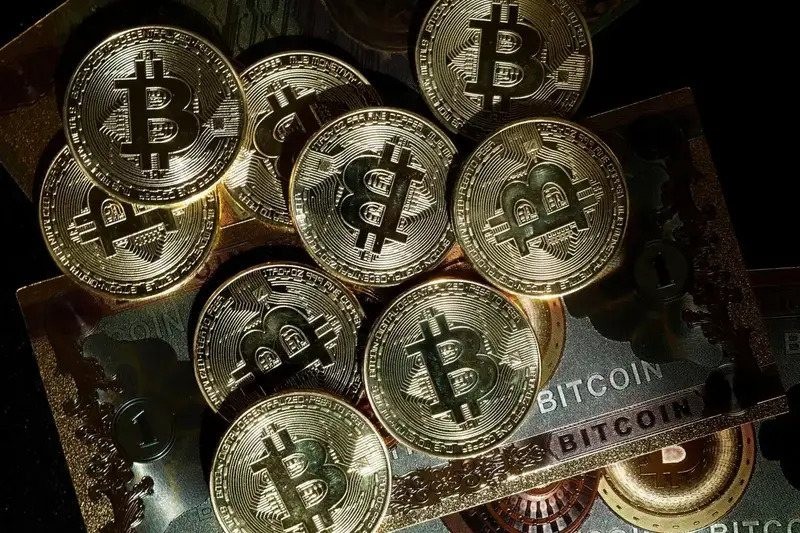


The price of Bitcoin recovered to levels of $68,000 on Sunday, recouping most of the losses it suffered due to news of the war, immediately after Iranian media confirmed the death of Supreme Leader Ayatollah Ali Khamenei in US and Israeli airstrikes.
Traders appear to be betting that the sudden power vacuum may increase the likelihood of de-escalation, leading to a rapid upward rally amid thin liquidity, awaiting a real test when global oil and stock markets open.
Power vacuum and expectations of a market lull
The killing of Khamenei, who held absolute power over the military, foreign policy, and the nuclear program, has created a state of political uncertainty in Tehran. Under the Iranian constitution, a temporary leadership council will assume leadership duties until the Assembly of Experts appoints a successor.
Digital asset investors interpreted this record low as a potential opportunity for a ceasefire rather than continued escalation, sending Bitcoin soaring from $64,000 to $68,000 in a few hours, representing an $80 billion move in market capitalization.
The contrast between crypto optimism and energy supply risks
Despite the price surge, the geopolitical landscape remains complex; US President Donald Trump has urged Iranians to overthrow the regime, asserting that US attacks will continue as long as necessary, while Tehran has continued to launch missiles toward Israel.
Markets are currently watching the opening of oil contracts. If the markets consider Khamenei’s killing a prelude to destabilizing the regime or disrupting crude supply routes in a region that exports a third of the world’s oil, energy prices could jump, raising inflation expectations and putting pressure on high-risk assets, including cryptocurrencies.
The performance of alternative currencies and anticipation of the opening of global stock exchanges
Solana led the recovery among major cryptocurrencies, rising 10.8% to $86.42, while Ethereum climbed 7.5%, nearing the $2,000 mark once again. The real test will come in the coming hours when bond, stock, and oil markets open, as institutional investors begin to react to Saturday's events and determine whether Sunday's optimism will hold or evaporate as it did in previous rally cycles.