




































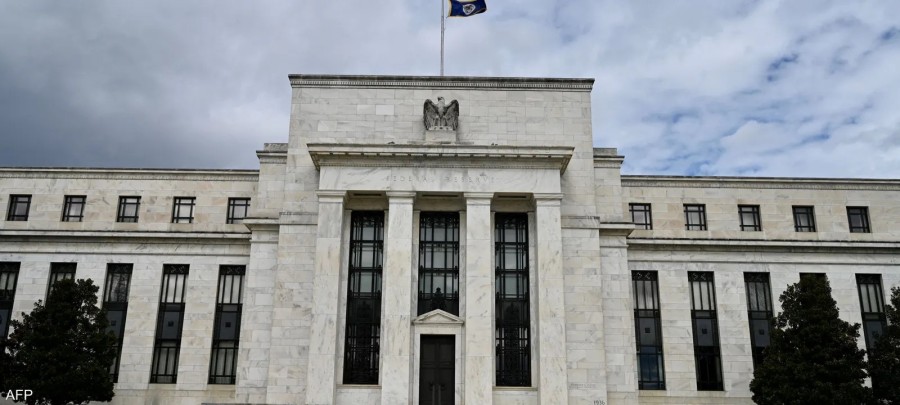


Qatar National Bank (QNB) predicted that US monetary policy will undergo a transformation in its management style during the next phase, with Kevin Warsh taking over as head of the Federal Reserve, amid an expected trend to restore the balance between transparency and flexibility of decision-makers, which will enhance the central bank’s ability to deal with rapidly changing economic conditions.
The bank explained in its weekly report that US monetary policy has undergone fundamental transformations over the past two decades, moving from a heavy reliance on discretion to adopting higher levels of transparency and communication with markets, especially after the global financial crisis.
The report noted that the death of former Federal Reserve Chairman Alan Greenspan has reignited the debate over the best way to manage monetary policy, particularly the amount of forward-looking guidance the central bank should provide to markets regarding the future path of interest rates.
According to the report, transparency and forward-looking guidance have helped reduce uncertainty and enhance market efficiency, but over-reliance on them may limit the ability of monetary policymakers to adapt to unexpected economic shocks.
The bank noted that Greenspan’s tenure as chairman of the Federal Reserve, between 1987 and 2006, was characterized by broad flexibility in decision-making, with limited disclosure of future directions for monetary policy.
He added that the global financial crisis between 2007 and 2009 represented a turning point in the Federal Reserve's approach, as interest rates reaching near-zero levels led to an increased reliance on forward-looking guidance and clear communication with markets to guide investors' expectations regarding monetary policy.
The report argues that the current economic environment, characterized by high levels of uncertainty and accelerating economic and financial changes, reinforces the need to give monetary policymakers greater flexibility.
It is likely that Kevin Warsh’s presidency will see a review of the communication framework and monetary policy, which could lead to an approach that reduces reliance on advance guidance and gives the Federal Reserve greater ability to respond quickly to economic developments.