




















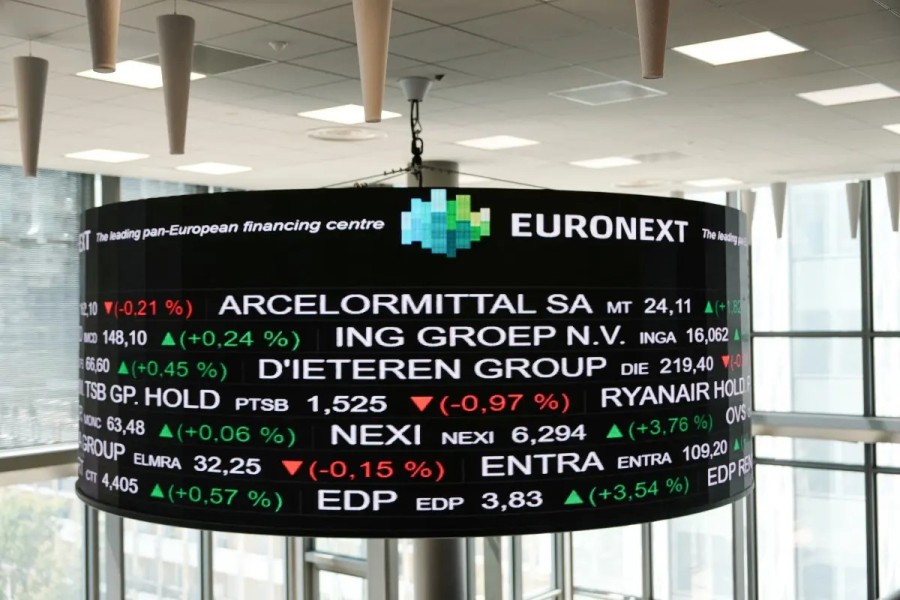

European stocks edged lower on Wednesday as investors monitored a fresh wave of corporate earnings results and assessed the implications of the United Arab Emirates' surprise exit from OPEC.
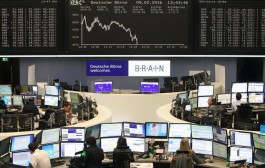
The pan-European STOXX 600 index fell 0.1% to 605.92 points, with most major sectors and exchanges performing negatively.
Germany’s DAX index settled at 24,034.44 points, Britain’s FTSE index fell 0.5% to 10,275.89 points, and France’s CAC index declined by about 0.3% to 8,072.68 points.
European stock markets had a busy morning with announcements of earnings results from the regional banking sector.
UBS shares jumped 5% at the start of trading after the bank announced net profits of $3 billion for the first quarter, exceeding market expectations. The Swiss bank reported strong performance in its capital markets activities, along with positive net inflows from its asset management unit.
Conversely, Deutsche Bank's shares fell 2.3% despite the bank reporting record after-tax profits of €2.17 billion in the first quarter, an 8% year-on-year increase and above analysts' expectations of €2.01 billion. However, the German bank disclosed a higher-than-expected provision for credit losses of €519 million due to exposure to a single client.
Santander reported core earnings of €3.56 billion for the first quarter, exceeding analysts' expectations of €3.46 billion and representing a 12% year-on-year increase. Net interest income reached €11 billion during the period, boosted by the addition of 8 million new customers. Shares in the Spanish bank rose by approximately 1% at the start of trading.
In the non-banking sector, Adidas shares jumped 6.6% after the company announced strong first-quarter results, with sales rising 14% year-on-year to €6.6 billion ($7.73 billion) and operating profit climbing 16% to €705 million, exceeding analysts' expectations.
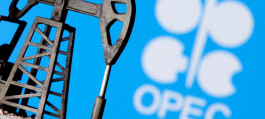
In the energy markets, OPEC remains in the spotlight after the United Arab Emirates announced on Tuesday its intention to leave the organization on May 1, a move that represents a major blow to the cartel that coordinates oil production among major producers, particularly in the Middle East.
This move further complicates oil supply forecasts, as the UAE—currently the third-largest producer within OPEC—may increase its production after the exit, at a time when global flows remain severely constrained by the continued closure of the Strait of Hormuz.
Investors are also closely watching technology stocks, after the Wall Street Journal reported on Tuesday that OpenAI's revenue and new user growth fell short of its internal targets.
According to the report, Chief Financial Officer Sarah Friar expressed her concern to the company's leadership about the possibility that OpenAI might not be able to fulfill future computing contracts if revenue does not grow at the required pace.
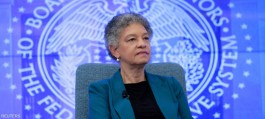
In a related context, traders around the world are awaiting the US Federal Reserve's decision on interest rates, which is scheduled to be released later on Wednesday, with markets pricing in a 100% probability that the Federal Open Market Committee will keep the main interest rate unchanged.