


















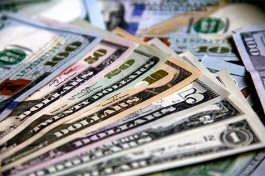













The US Dollar Index (DXY) is trading at 101.590 points, up 0.39% (+0.399 points), after opening at 101.27 and closing at 101.191. The daily session ranged between 101.218 and 101.605 points, while the index is performing at +1.95% over one month and +4.31% over the year — confirming the continuation of an accelerating upward momentum since the beginning of September.
The immediate cause: a rapid collapse in the bond market
This rise is a direct reflection of what we just covered: the yield on the 10-year US Treasury note jumped to 5.33% — its highest level since 2002. This sharp acceleration in yields immediately raises the relative attractiveness of dollar-denominated assets, attracting higher-yielding capital flows, which pushes the dollar up in perfect sync with the yields.
Broader context: Dollar recovers from sharp correction
The index's performance across different timeframes paints a striking picture: despite a strong short-term rally (+1.95% monthly, +0.55% weekly), it remains in negative territory over the past five years (-20.55%)—a reminder of the magnitude of the broader structural correction the dollar has undergone since its peak years ago, even with this recent strong rebound. The 52-week range spans between 95.36 and 101.605 points—meaning the index is currently trading at the top of almost its entire annual range.
Interrelated impact on other assets
This double surge (yields + dollar) directly explains what we documented earlier: gold erasing all its daily gains. Both factors (higher real yield and a higher dollar cost for foreign buyers) are simultaneously putting downward pressure on the metal. The open question now is: how long can this double surge in yields and the dollar continue before it prompts intervention from the Federal Reserve or the Treasury, especially as the market approaches levels not seen in two decades?