


































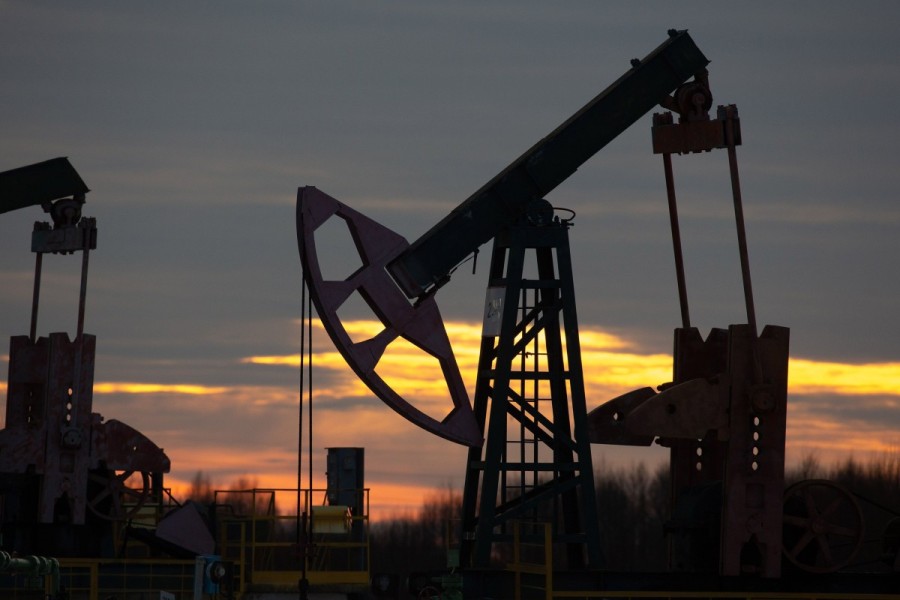


Oil prices rose after their biggest drop in a week, after President Donald Trump threatened new airstrikes on Iran and insisted his latest offer of talks was Tehran's last chance, demanding the full reopening of the Strait of Hormuz.
Brent crude futures for October delivery rose to nearly $86 a barrel, after losing nearly 5% in the previous session, while West Texas Intermediate crude was near $82.
Trump told reporters in the Oval Office on Monday: “I want to give them one last chance before the head is cut off.” He added: “You’ll know today or tomorrow. I mean, it’s going to be decided quickly, one way or another. It’s not that complicated.”
Prices remain low at their levels from the end of last week, after Trump announced earlier that he was postponing further strikes to allow more time for talks. Tehran, however, denied holding talks with the United States, and Mohsen Rezaei, an advisor to Iran's Supreme Leader, told state television that Washington must take the first step and change its behavior.
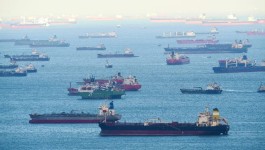
Reaching a diplomatic settlement appears to hinge on talks between Oman and Iran to increase the number of ships sailing through the Strait of Hormuz, but there are few signs of progress in these negotiations, as Tehran continues to cling to its control over the shipping lane.
Slowdown in the flow of goods through Hormuz
Oil prices have fluctuated wildly in recent weeks, as fighting resumed following the collapse of the June ceasefire and the conflict spread to the Red Sea. Trump repeatedly cited diplomatic efforts when he backed away from threats of military escalation, before the talks ultimately failed. He also called off an attack on Iran that he said would have been the largest since World War II.
Carolyn Kissan, associate dean of the Center for Global Affairs at New York University, said: “As long as these outlets exist to move barrels of oil, I think this cycle of interruption and resumption can continue.” She added: “Iran doesn’t want escalation, but it wants to maintain tension, and there will be more attacks after this market downturn. We’ve been through this before.”
The flow of goods through the Strait of Hormuz, which before the war carried about a fifth of the world's crude oil and liquefied natural gas, has slowed considerably. In the latest incident, a cargo ship northeast of Khasab in Oman reported on Monday that it had been struck by an unidentified projectile, according to the United Kingdom Maritime Trade Operations.
Yanbu port records intense activity
Meanwhile, Saudi Arabia’s main oil export port of Yanbu on the Red Sea appeared to be recording its busiest day since Houthi threats disrupted shipping in the region, with more vessels crossing the Bab al-Mandab Strait without their tracking systems activated.
Saudi Arabia’s recorded crude exports fell slightly in July, as threats to shipping in the Arabian Gulf and the Red Sea limited the kingdom’s shipments.
With global energy markets under pressure from the war with Iran, the shifting Ukrainian strikes across Russia’s oil supply chain are increasing the risk of further disruptions to global flows.
Major refineries, oil tankers, offshore infrastructure and key pipelines were attacked at least 30 times in July, the second-highest monthly number of attacks since the all-out Russian war in 2022.
In recent days, four ships completed loading operations at the Caspian Pipeline Union terminal, a port on Russia's Black Sea coast that is vital for Kazakhstan's crude oil exports. Recent attacks on oil tankers in the region have made some ship owners cautious about loading there.
Latest price movements:
Brent crude futures for October settlement rose 2.4% to $85.74 a barrel at 11:33 a.m. in London.
West Texas Intermediate crude futures for September delivery rose 1.8% to $81.80 a barrel.