












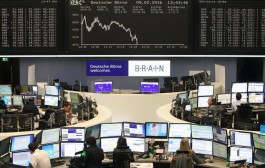












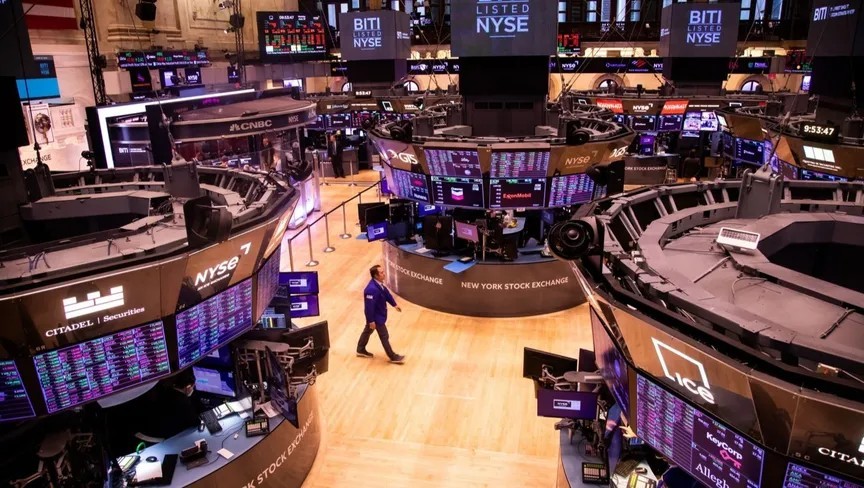


US stocks ended last week with gains, despite the indices declining in Friday's session, after technology stocks came under strong pressure led by Marvel Technology, while comments from Federal Reserve Chairman Kevin Warsh prompted investors to increase their bets on a possible interest rate hike in September.
During Friday's session, the Nasdaq Composite Index fell by 0.5%, the S&P 500 Index declined by about 0.3%, while the Dow Jones Industrial Average ended trading slightly lower.
Despite the losses in the last session, all three indices ended the week higher, with the Dow Jones ending a two-week losing streak, while the S&P 500 and Nasdaq each recorded their fourth weekly gain in five weeks.
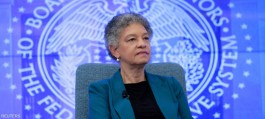
The market volatility followed a nearly 30-minute speech by Warsh at the Jackson Hole Economic Symposium, in which he reiterated his continued concern about inflation, noting that improved inflation readings over the summer did not mean that underlying price trends had seen a tangible improvement.
Following the remarks, markets raised their estimates for the likelihood of an interest rate hike at the September meeting to around 58%, up from around 36% before the speech, leading to a new surge in Treasury bond yields.
The yield on the 10-year US Treasury note rose to over 4.73% at the end of trading on Friday, an increase of nearly 6 basis points, in a direct reflection of growing expectations of continued tight monetary policy.
Technology stocks retreated after strong gains on Thursday driven by Nvidia's results. Marvel Technology shares fell nearly 10% on Friday, despite the company's quarterly results and current-quarter outlook exceeding analysts' estimates, as the figures failed to satisfy investors.
Marvell's decline cast a shadow over the semiconductor sector, with the iShares Semiconductor Fund falling by more than 3%, and shares of other companies such as Intel and Applied Materials coming under selling pressure.
Nvidia's stock fell 4.6%, the biggest drop among the Dow Jones components, after having jumped nearly 9% in the previous session following strong quarterly results.
In contrast, Amazon's stock rose by about 4%, making it one of the biggest winners among the giant technology companies, while the Great Seven fund ended the session up by about 0.6%.
PayPal's stock fell by about 13% following reports that Advent and Stripe had stopped pursuing a potential acquisition deal for the payments company, after the two parties had previously submitted an offer exceeding $50 billion.
Conversely, Gap's stock jumped 13% following the appointment of a new CEO for the Old Navy brand.
Following the announcement of the earnings results, Elastik's stock rose by 19%, Workday's stock increased by about 6%, while Autodesk's stock declined by 3.5%, and Ulta Beauty's stock fell by 4%.
In energy markets, West Texas Intermediate crude ended Friday's trading at around $83.50 a barrel, down slightly during the session, but still posting a weekly loss of more than 4%. Brent crude also fell to $89.35 a barrel.
Bitcoin fell to around $77,400, after exceeding $81,000 during overnight trading, reflecting a decline in risk appetite as bond yields rose.
In the currency market, the dollar index rose 0.5% to 99.65 points, benefiting from expectations of tighter monetary policy, while gold futures fell by about 3.2% to around $4,515 an ounce.
Market expectations for the performance of global financial markets today
The week began cautiously for Wall Street, with futures contracts on Monday morning pointing to renewed selling pressure following escalating tensions between the US and Iran over the weekend. S&P 500 futures were down about 0.4%, while Nasdaq futures fell by roughly 0.5%.
Geopolitical concerns escalated after US forces launched strikes on Iranian platforms on Larak Island in the Strait of Hormuz, followed by reports of an Iranian response targeting US forces in Jordan, bringing supply risks back to the forefront of market attention.
These developments pushed oil prices up by more than 2% on Monday morning, with Brent crude surpassing $90 a barrel and West Texas Intermediate rising above $85. A continued rise in oil prices is likely to be a negative factor for stocks, given its potential impact on inflation and interest rate expectations.
Warsh's comments continue to cast a shadow over the markets, with the probability of an interest rate hike in September hovering around 57%-58%, while the yield on two-year US bonds has settled near 4.34%, which could keep growth and technology stocks under pressure.
Investors are also watching today as the meeting of finance ministers and central bank governors of the G20 gets underway, with inflation, interest rates and geopolitical tensions expected to dominate the discussions.
Monday’s session may be volatile and cautious, with three key factors determining the direction: developments in the US-Iran confrontation and the movement of oil, the continued repricing of interest rate expectations following Warsh’s speech, and the performance of technology stocks after the sharp fluctuations seen in the chip sector last week.
The week's importance gradually increases with the release of US labor market data, culminating in Friday's non-farm payrolls report, which may be the most important factor in determining expectations for the Federal Reserve's decision during September.