


































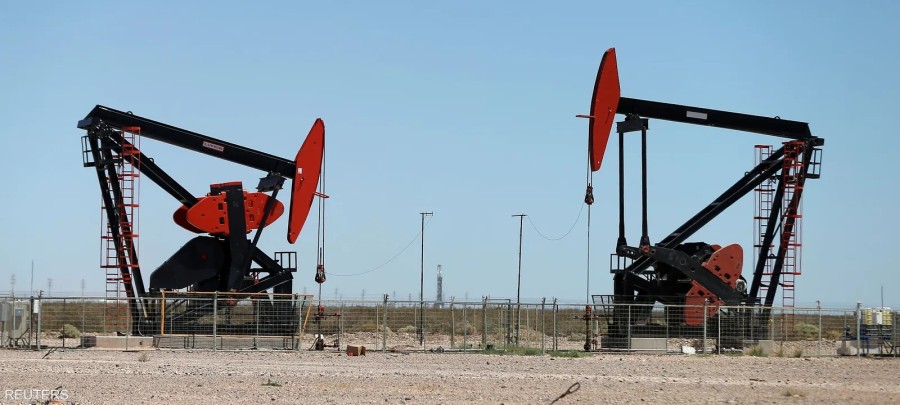


Oil prices fell as tensions over Iran eased and markets showed a general tendency to avoid risks following US President Donald Trump's escalation of efforts to acquire Greenland.
Brent crude futures for March settlement fell 0.8% to $63.63 a barrel at 3:07 p.m. Singapore time, while West Texas Intermediate crude futures for February delivery fell 0.8% to trade at $59.05 a barrel.
Although there was no major escalation in tensions with Iran over the weekend, Supreme Leader Ali Khamenei said several thousand people have died in anti-government protests this month.
Traders had previously expressed concerns about the possibility of US intervention, which could disrupt supplies from the OPEC member country.
Fox News, citing military sources, reported that at least one U.S. aircraft carrier was moving toward the Middle East as of Friday. Trump, who indicated last week that he would postpone a strike on Iran, is expected to speak at the World Economic Forum in Davos, Switzerland, later this week.
Greenland and tariffs are weighing on morale.
Concerns about Trump’s latest move regarding Greenland, including his threat to impose tariffs on some European countries, have put pressure on morale.
US Treasury Secretary Scott Bisent told NBC that direct US control of the region would strengthen deterrence. In broader markets, stocks fell, while gold hit a record high.
Crude oil prices have been under pressure in recent quarters due to concerns that supply is outpacing demand, with market observers, including the International Energy Agency, forecasting a significant supply surplus of 3.8 million barrels per day this year.
However, some tightness persists, including supply shortages from Kazakhstan due to problems in the Black Sea. Brent crude spot spreads have also widened.
A complex balance in the oil market
Robert Rennie, head of commodities and carbon research at Westpac, said that Brent crude remains stuck in complex conditions ranging from escalating geopolitical risks on one hand, to rising production and inventories on the other.
He added that any sharp deterioration in the situation on the ground in Iran could push prices above $70 a barrel, but that in the near term the focus has shifted from Iran to Greenland, which is putting downward pressure on prices, he said.
The Paris-based International Energy Agency is due to release its first monthly report on market conditions in 2026 on Wednesday, after consistently warning of a potential supply glut this year, following increased output from the OPEC+ alliance and non-OPEC producers.
Trading volumes on Monday are likely to be lower than usual due to a public holiday in the United States.