




























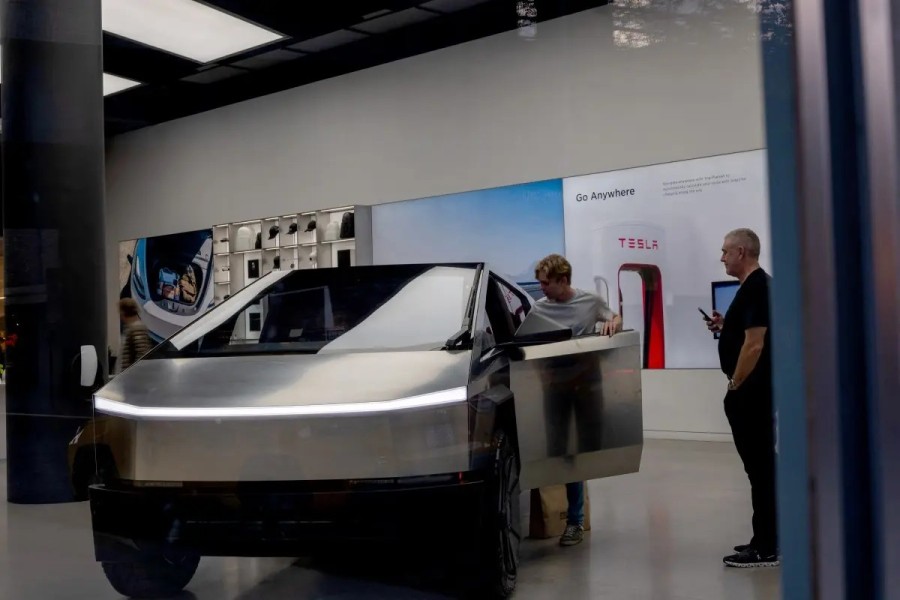


Tesla is expected to be one of the first automakers to benefit from Canada's move to eliminate 100% tariffs on electric vehicles manufactured in China, thanks to its early moves to ship cars from its Shanghai factory to Canada, as well as its well-established sales network within the Canadian market, according to Reuters.
Under the agreement announced last Friday, Canada will allow the import of up to 49,000 cars annually from China at a 6.1% tariff rate under the Most Favored Nation (MFN) principle. Canadian Prime Minister Mark Carney said the quota could rise to 70,000 cars within five years.
However, a clause in the agreement stipulates that half the quota be allocated to cars priced below 35,000 Canadian dollars, approximately 25,189 US dollars, while the prices of all Tesla models exceed this level.
While many Chinese automakers are seeking to seize this opportunity as they expand their exports, Tesla has a competitive advantage, having already prepared its Shanghai factory, its largest and most cost-efficient factory globally, in 2023 to produce and export a version of the Model Y specifically for the Canadian market.
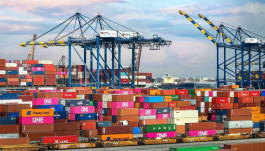
In the same year, Tesla began shipping this model from Shanghai to Canada, leading to a 460% year-on-year jump in car imports from China to Canada’s largest port, Vancouver, to 44,356 vehicles in 2023.
But the company was forced to halt these shipments in 2024 and switch to sourcing from its factories in the United States and Berlin, after Ottawa imposed 100% tariffs, justifying this by the desire to counter what it described as a deliberate, state-directed Chinese policy to generate excess production capacity.
Tesla has a network of 39 stores in Canada, while Chinese competitors like BYD and NEO have yet to establish a sales presence in the Canadian market. Tesla is also able to move more quickly with its marketing plans, given its reliance on only four main models compared to the much larger number offered by its Chinese rivals. However, the pricing clause in the agreement may provide the Chinese companies with some breathing room.
Officials in the administration of US President Donald Trump criticized Canada's decision, noting that the administration of former US President Joe Biden had raised tariffs on Chinese electric cars to 100% in 2024, effectively banning such exports to the United States.