









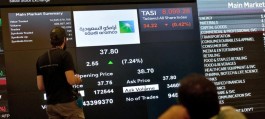



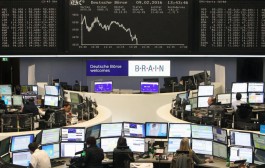













European stocks were mixed at the start of trading on Wednesday, as investors awaited eurozone inflation data and a highly anticipated panel discussion with top global central bank officials, led by newly appointed Federal Reserve Chairman Kevin Warsh.
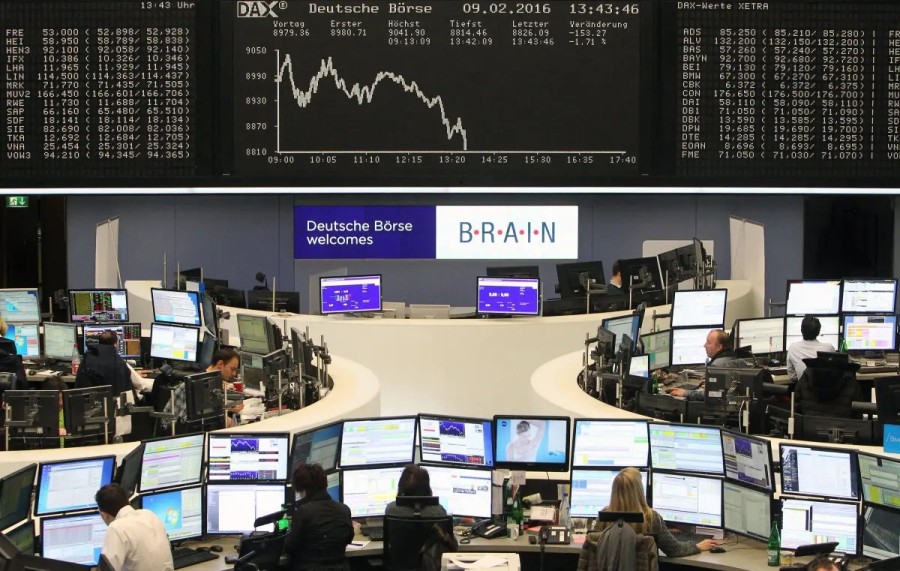
The pan-European STOXX 600 index fell 0.2% in early trading, after hitting a record high on Tuesday. Major regional stock indices were mixed, with Germany's DAX rising 0.2%, France's CAC 40 falling 0.3%, and the UK's FTSE 100 declining 0.2%.
The Spanish IBEX 35 index and the Italian FTSE MIB index each lost 0.3%.
Market participants are awaiting the release of preliminary inflation data for the Eurozone for June. Headline inflation is expected to decline to 3.0% year-on-year, compared to 3.2% in the previous month.
This data will be studied very carefully for evidence of easing price pressures, especially in the wake of the European Central Bank's sharp interest rate hikes last month to counter a severe energy-driven inflationary shock triggered by the US-Iran war.
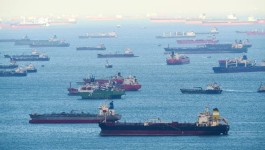
Geopolitical developments also kept markets cautious. Although oil prices have fallen well below the war premium and are nearing pre-conflict levels, and shipping traffic is recovering through the vital Strait of Hormuz, new diplomatic tensions emerged overnight.
A report in the Wall Street Journal indicated that US President Donald Trump had been seriously considering resuming large-scale military operations against Tehran in recent days before deciding to maintain the ongoing diplomatic efforts. Envoys from both countries are scheduled to hold mediated talks in Doha.
Cintra's speeches in the spotlight
The most significant economic event of the day will be the policy discussion session at the European Central Bank's Central Banking Forum in Sintra, Portugal, which brings together the world's leading monetary policymakers.
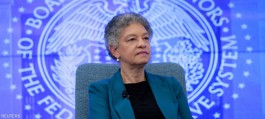
All eyes are on Kevin Warsh, in his first international appearance since taking over as chairman of the Federal Reserve from Jerome Powell last May.
Investors are eager for clarity on the monetary policy path Warsh will pursue. Despite being chosen by Trump, who repeatedly called for lower borrowing costs, Warsh has surprised markets in recent weeks with a notable shift toward a more hawkish tone, emphasizing the risks of persistent structural inflation.
Traders will also scrutinize comments from European Central Bank President Christine Lagarde, Bank of England Governor Andrew Bailey, and Bank of Canada Governor Tiff Macklem, looking for clues as to how quickly major central banks might ease their restrictive policies as the energy crisis eases.