
































Japanese stocks hit record highs and long-term bonds reversed their earlier decline, in a clear vote of confidence in Prime Minister Sanae Takaichi's responsible and proactive fiscal policy.
The yen had earlier fallen to a record low against the Swiss franc, but reversed course after Tokyo warned of possible intervention in the currency market.
The Liberal Democratic Party, led by Takaichi, won a landslide victory, securing 316 out of 465 seats in the House of Representatives in Sunday's snap election, giving it a strong mandate to implement its promises of big spending and tax cuts.
Takaichi has repeatedly stressed that her stimulus plans will not bankrupt the country's finances, a major concern for markets given that Japan already has the heaviest debt burden in the developed world.
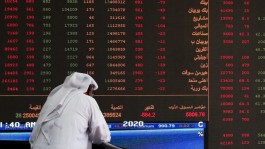
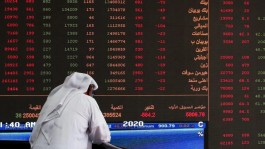
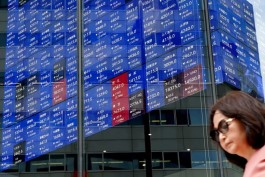
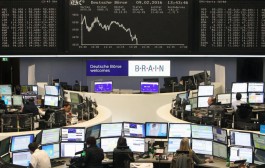
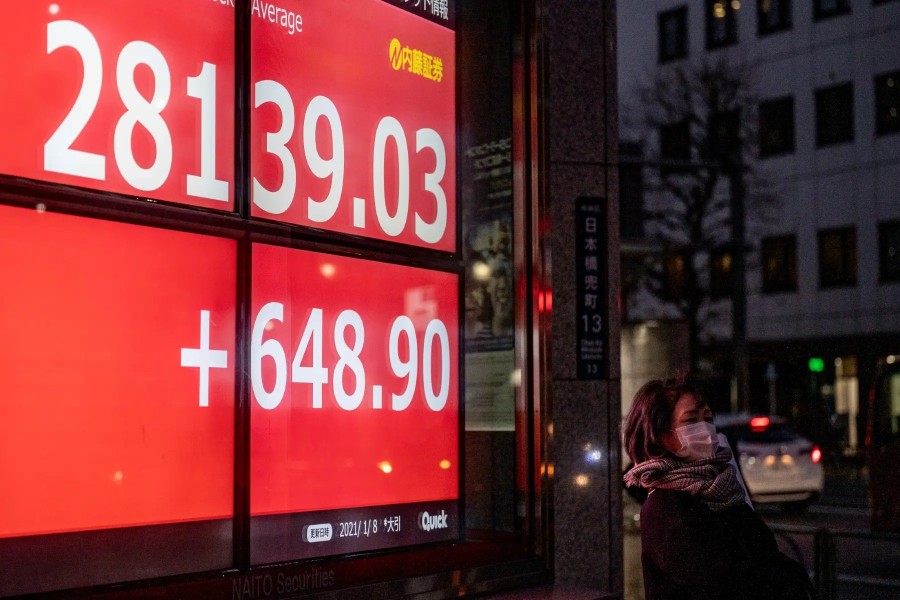
The Nikkei 225 index closed 3.9 percent higher at a record high of 56,363.94 points. The broader Topix index rose 2.3 percent to a record high of 3,783.57 points.
In the debt market, Japanese 30-year government bonds initially fell, pushing yields up 6.5 basis points to 3.615 percent. However, this move quickly faded, and the yield eventually rose by one basis point to 3.56 percent.
The yen fell earlier in Monday's trading, hitting an all-time low of 203.30 yen per Swiss franc, and dropped 0.4 percent against the euro and 0.5 percent against the dollar.
But the yen quickly reversed course after top finance official Atsushi Mimura said the government was closely monitoring currency movements with a high degree of importance, hinting at the possibility of intervention to buy yen.
The yen rose in recent trading by about 0.5 percent to 156.41 against the dollar, 0.2 percent to 185.38 against the euro, and 0.2 percent to 202.18 against the franc.