





















The ongoing conflict in the Middle East is reinforcing the dominant role of the US dollar in global trade, according to one indicator of activity in the interbank foreign exchange markets.
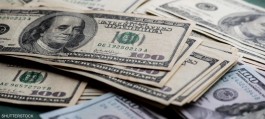
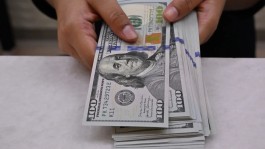
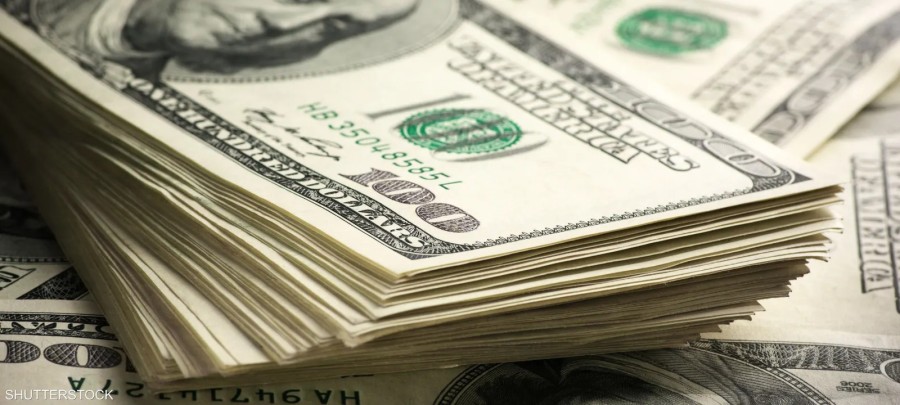
The share of the US dollar in international transactions rose to a record high of 51.1% in March, compared to 49.2% in the previous month, according to the latest data compiled by SWIFT, the global financial messaging service, or Society for Worldwide Interbank Financial Telecommunication.
This is the highest level since 2023 when the Belgium-based association revised its method of collecting transaction data.
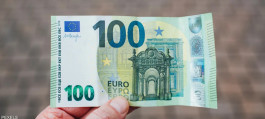
Major global banks use the SWIFT system to communicate with each other and facilitate interbank currency transactions. The euro came in second after the world's main reserve currency, accounting for approximately 21% of SWIFT transactions, followed by the British pound, the Japanese yen, the Chinese yuan, and the Canadian dollar.
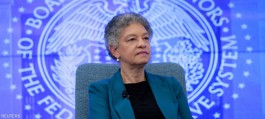
A research team at JPMorgan, led by Joyce Chang, wrote in a memo dated April 21 that
The weakness of the dollar that we saw last year did not translate into any clear decline in the dollar’s role as a reserve currency or a primary currency for capital markets.
Market volatility supports demand for the dollar.
In 2025, an index measuring the performance of the US dollar fell by 8% to its lowest level in four years. Since the start of the Iran war in late February, it has risen by about 0.8%.
Trading in currency markets saw exceptionally sharp fluctuations last month, following US and Israeli attacks on Iran, which triggered a global sell-off in risky assets, a rise in oil prices, and increased demand for the dollar as a safe haven.
An index of expected dollar volatility over the next month rose to a 10-month high in March, although volatility has since eased as investors focus on the prospects for ceasefire negotiations between the United States and Iran.
Market assessments and dollar outlook
Michael Ball, macro strategist at Bloomberg Markets Live, believes that markets place great confidence in US President Donald Trump's desire to end the Iran war and consider the possibility of renewed escalation to be minimal, even though the facts on the ground remain highly ambiguous.
He added that investors were reassured by strong earnings results, the momentum of capital spending related to artificial intelligence, and an American consumer who has so far managed to absorb higher gasoline prices better than expected.
However, investors have been closely monitoring the use of the dollar internationally, and the broader attractiveness of US assets, since Trump unveiled a broad tariff program early last year.
The JPMorgan team, led by Chang, said: “We are seeing a broader trend towards diversification rather than a complete abandonment of the dollar, and the data does not show evidence of a widespread decline in dollar use.”